
JOYO Guitar Audio Interface
4.2Editor score
Direct monitoring zero latency
Pocket sized portable design
Plug and play USB-C
This guide compares the top ten guitar to Mac interfaces for quality audio recording, connectivity, and value across budget and premium categories.
Connecting your guitar to a Mac is essential for modern music production and streaming. A quality interface ensures low latency and clean signal capture. Choosing the right one depends on your needs and budget for recording sessions.
We analyzed ten real products based on connectivity, audio quality, and user feedback. Each option offers unique features for guitarists and producers working with macOS. Our list covers everything from portable pocket devices to full studio units.
Each pick highlights key specs and ideal use cases for your setup. Prices and availability change often so verify current details before buying. Use this guide to find the interface that fits your creative workflow perfectly.
4.2Editor score
4.6Editor score

4.7Editor score
This side by side comparison outlines the key specifications and features of all ten interfaces. Review the tables to find the exact match for your recording needs and Mac model compatibility.




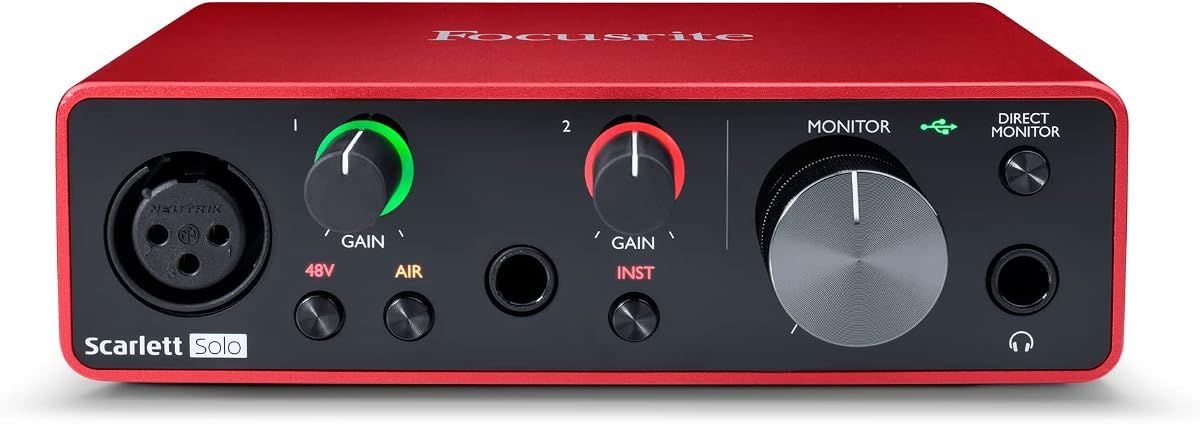
The Focusrite Scarlett Solo 3rd Gen stands out as a top choice for recording guitar to Mac. It earns a 4.6 rating from users for its high performance converters and versatile inputs.
We may earn a commission when you buy through this link, at no additional cost to you.
Its high headroom instrument inputs let your guitar shine without clipping. The switchable Air mode adds extra clarity to acoustic recordings. Gain Halos help you set the perfect level visually.
You get professional sounding recordings up to 24-bit/192kHz. However there is no loopback for streaming and the USB-C cable is not included. These trade offs are minor for most home studios.
Ideal for producers needing pro quality in a small box. We recommend this for anyone serious about music production on Mac.
The 3rd Gen preamps provide bright clean tones. High performance converters ensure your recordings retain sonic quality.
Includes Pro Tools Intro and Ableton Live Lite. The Hitmaker Expansion adds effects and mastering tools.
We may earn a commission when you buy through this link, at no additional cost to you.
The M-AUDIO M-Track Duo is a versatile interface for recording guitar and vocals. It delivers pristine 48kHz audio resolution for all your needs.
We may earn a commission when you buy through this link, at no additional cost to you.
Its two combo inputs accept XLR and instruments easily. The USB Direct switch allows zero latency monitoring for seamless tracking. Crystal Preamps guarantee optimal mic sound.
While limited to 48kHz it offers great value. It lacks a dedicated phantom switch which can be a minor hurdle. It is perfect for podcasting and streaming.
Great for multi source recording on a budget. We recommend this for creators needing reliable monitoring.
Two combo inputs handle mics and guitars. This flexibility suits varied content needs.
USB Direct switch ensures zero latency tracking. This is vital for comfortable recording sessions.
We may earn a commission when you buy through this link, at no additional cost to you.
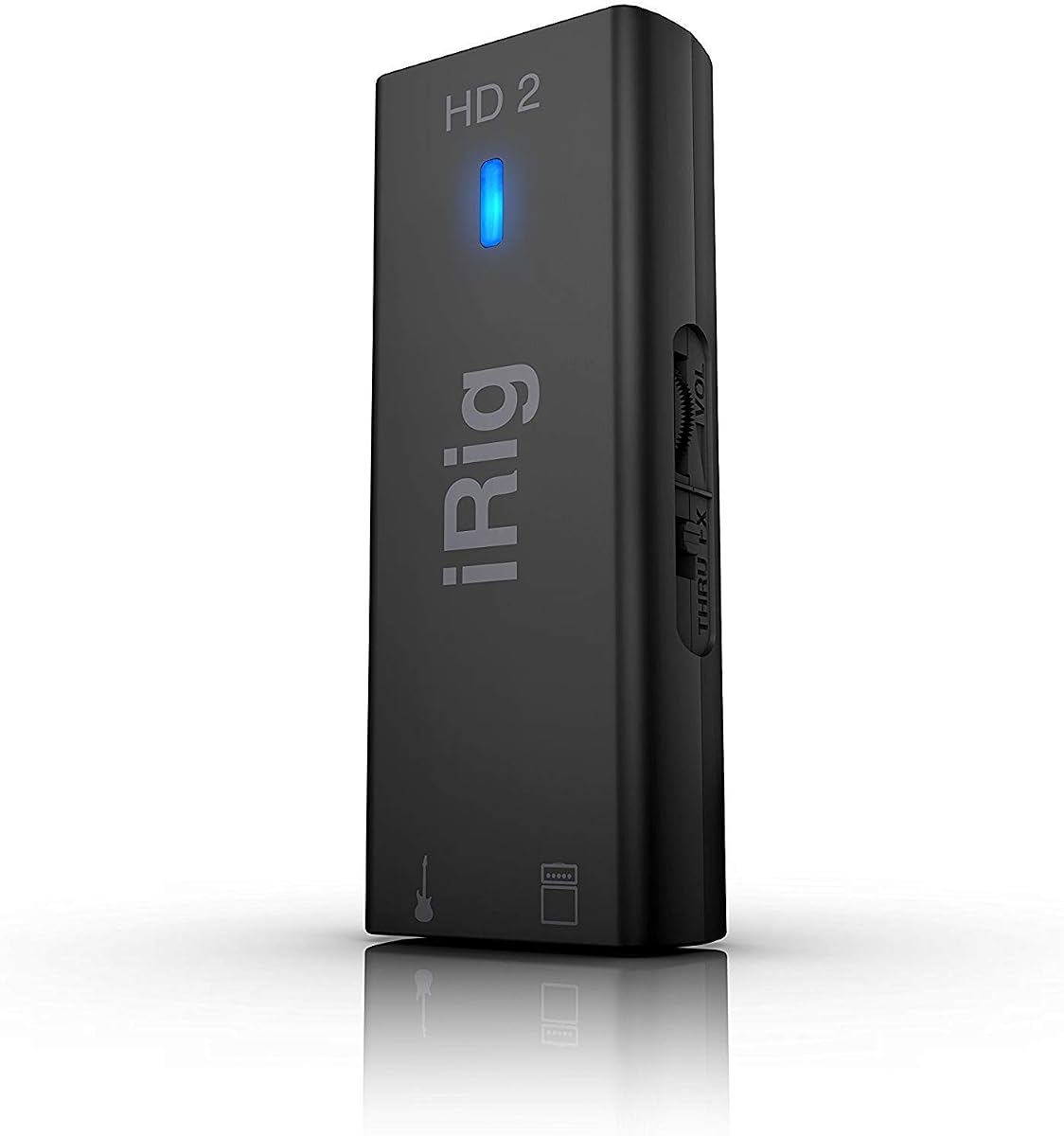
The IK Multimedia iRig HD 2 is renowned for its 96kHz sampling rate. It connects your guitar to Mac or mobile devices seamlessly.
We may earn a commission when you buy through this link, at no additional cost to you.
The Amp Out jack lets you use your rig with a bypass. You get high-definition results without sacrificing silent practice. The FX switch lets you manage tones quickly.
Note it lacks a headphone jack for direct monitoring. Also you need extra adapters for Mac connection. These are acceptable trade-offs for its portability.
Perfect for mobile musicians and live streamers. We recommend this for those prioritizing high speed audio.
96kHz rate ensures detail in recordings. It stands out in its portable class.
Amp output works with external rigs. FX switch helps manage processed vs direct signals.
We may earn a commission when you buy through this link, at no additional cost to you.
The JOYO MOMIX CAB is a direct monitoring interface for recording guitar. It keeps latency low while you practice with backing tracks.
We may earn a commission when you buy through this link, at no additional cost to you.
Its compact design clips to your pocket or strap. You hear your dry guitar alongside app audio easily. Signal lights help avoid distortion quickly.
It does not support real-time software amps. Android users need to enable OTG manually. These limits make it best for capturing raw tracks.
Ideal for practice and idea capture on the go. We recommend this for budget focused mobile recording.
Guitar signal passes to headphones with zero latency. This is great for monitoring while recording.
Smaller than a key with a clip. It fits in your pocket easily.
We may earn a commission when you buy through this link, at no additional cost to you.
The PIYONE interface offers studio grade fidelity for Mac users. Its 24-bit/192kHz conversion ensures low noise recordings.
We may earn a commission when you buy through this link, at no additional cost to you.
It features a loopback function for creating monitor mixes. The combo inputs support mics and instruments. USB-C bus power eliminates external supplies.
Fixed LED rings add style but lack adjustability. The loopback is a strong feature for content creators. It is great for home streaming setups.
Great for content creators needing flexible routing. We recommend this for versatile recording needs.
Loopback allows quick streaming mixes. Monitor mix enhances flexibility.
Bus power handles data and energy. No extra power supplies are needed.
We may earn a commission when you buy through this link, at no additional cost to you.
The Motu M2 uses ESS Sabre32 Ultra DAC technology for superior sound. It achieves a measured 120 dB dynamic range.
We may earn a commission when you buy through this link, at no additional cost to you.
Its mic inputs have very low noise. The ESS-driven headphone output ensures clarity. It uses USB-C for easy connectivity.
While pricey it matches higher end units. It lacks bundled software which may be a hurdle. It is excellent for critical listening.
Perfect for producers seeking high-end conversion. We recommend this for studio precision.
Superior DAC technology for analog sound. Used in interfaces costing thousands.
Measured 120 dB on outputs. Ensures detailed and clear audio.
We may earn a commission when you buy through this link, at no additional cost to you.
The PreSonus Quantum ES 2 offers low latency drivers and MAX-HD preamps. It comes with Studio One Pro perpetual license.
We may earn a commission when you buy through this link, at no additional cost to you.
The Auto Gain button simplifies level setting. Guitar inputs co-developed with Fender ensure tone quality. Universal Control app allows remote adjustments.
Drivers are required which adds setup steps. The price is high but justified for features. It suits professional recording sessions.
Ideal for pros needing seamless workflows. We recommend this for high performance needs.
Instrument input designed for guitar. Ensures transparent and optimized recording.
Auto Gain sets perfect levels. Reduces frustration during sessions.
We may earn a commission when you buy through this link, at no additional cost to you.
The Fender Quantum HD 2 delivers ultra-high fidelity recording with MAX-HD preamps. It features 32-bit/192kHz converters.
We may earn a commission when you buy through this link, at no additional cost to you.
ADAT expansion adds sixteen digital inputs for hybrid growth. Front-facing instrument inputs optimize transparency. Re-Amp outputs let you explore tones.
This unit requires external power and is pricey. However the features justify it for serious studios. It is a complete professional system.
Ideal for professional studios needing expansion. We recommend this for high-end production.
32-bit/192kHz ensures clarity. MAX-HD preamps capture vocals perfectly.
ADAT expands inputs for hybrid setups. Re-Amp outputs add creative freedom.
We may earn a commission when you buy through this link, at no additional cost to you.
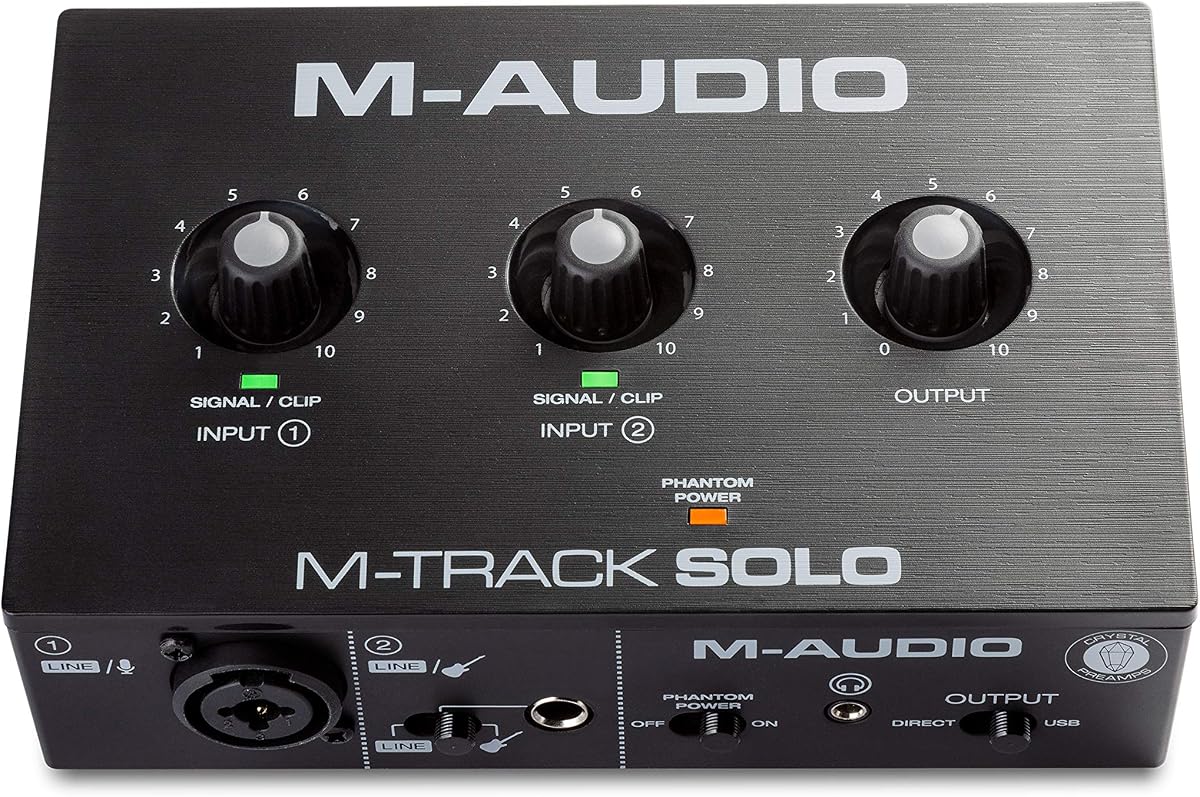
The M-AUDIO M-Track Solo is perfect for single instrument recording. It delivers 48kHz resolution for pristine audio.
We may earn a commission when you buy through this link, at no additional cost to you.
Crystal Preamp guarantees optimal mic sound. RCA outputs offer monitoring flexibility. The USB Direct switch provides zero latency.
Limited to one input limits recording options. It lacks loopback for streaming. It is best for solo practice and vocal takes.
Ideal for solo musicians and podcasters. We recommend this for simple setups.
Guarantees optimal sound for mics. Works well with condenser types.
RCA outputs support total flexibility. USB Direct switch ensures zero latency.
We may earn a commission when you buy through this link, at no additional cost to you.
The IK Multimedia iRig USB captures every note with 24-bit 48kHz resolution. It works with Mac PC and iPad.
We may earn a commission when you buy through this link, at no additional cost to you.
Direct monitoring aids silent practice. The USB-C cable is included for seamless connection. It comes bundled with a recording suite.
It does not support Lightning cables. FX output is missing compared to HD 2. It is best for simple USB setups.
Great for beginners and simple setups. We recommend this for easy connectivity.
Connects easily to Mac and iPad. Focus on music without technical hassles.
Compact and durable design. Built to withstand professional use.
We may earn a commission when you buy through this link, at no additional cost to you.
Choosing the right interface involves understanding key factors that affect audio quality and workflow. This guide breaks down the essentials.
Interfaces connect via USB-A USB-C or Lightning. Modern Macs need USB-C for fastest transfer and bus power. Check your device ports.
Prioritize USB-C for future proofing and simplicity.
24-bit/192kHz is the industry standard for high fidelity. 48kHz suffices for streaming or simple demos. Higher rates capture more detail but use more storage.
Choose based on your recording precision needs.
Count your inputs. Solo units have one instrument input. Dual units support guitar and mic. Combo XLR/TRS inputs offer flexibility for microphones and instruments.
Match inputs to your simultaneous recording needs.
Zero latency monitoring is crucial for live tracking. Dedicated headphone outputs ensure you hear without delay. Some units offer direct monitoring switches for this.
Ensure your unit has low latency monitoring.
Many interfaces include DAWs like Pro Tools or Studio One. These save money and help you start quickly. Check software requirements for Mac.
Look for comprehensive software bundles for beginners.
Mobile recording needs small devices. Some interface fit in a pocket. Others require desk space. Consider where you will use it most.
Choose based on your recording location needs.
Metal chassis resist wear and heat. Plastic units are lighter but may break. Warranty length varies from one to three years.
Check durability and warranty support before buying.
Prices range from twenty to five hundred dollars. Higher cost often brings better preamps and build. Determine your ceiling based on needs.
Find the balance between cost and required features.
Connect the interface to your Mac via USB-C. Ensure the power is on and drivers are installed if needed. Launch your DAW software.
Plug your guitar into the instrument input and set gain levels slowly. Use the headphone output for monitoring. Adjust volume to avoid clipping.
Clean ports regularly and avoid exposure to moisture. Store in a dry place. Check cables for wear periodically to prevent noise.
The Focusrite Scarlett Solo 3rd Gen is highly rated for Mac. It offers great preamps and software. It is compatible with macOS.
Class-compliant interfaces like Motu and Focusrite do not need drivers. Others may require installation. Check the product details first.
Look for loopback features. The PIYONE 2X2 has loopback for monitor mixes. This is essential for streaming setups.
Yes many like iRig HD 2 work with iPad. Ensure you have the right adapter for connection. iOS compatibility is key.
The JOYO MOMIX CAB is an affordable pocket option. It offers direct monitoring. It is perfect for budget users.
Higher sample rates capture more detail. 192kHz offers more fidelity than 48kHz. Choose based on your quality needs.
Most work with Windows too. But focus on Mac compatibility here. Check product docs for Windows drivers.
Use direct monitoring switches if available. Buffer sizes in your DAW also help. Low latency drivers reduce lag.
We reviewed ten options from the Focusrite to the Fender Quantum HD 2. Each offers unique strengths for Mac users.
Prioritize inputs and connection type. A good match ensures you capture clean audio without issues.
Prices change often so check current listings before buying. Use this guide to make your final choice.