
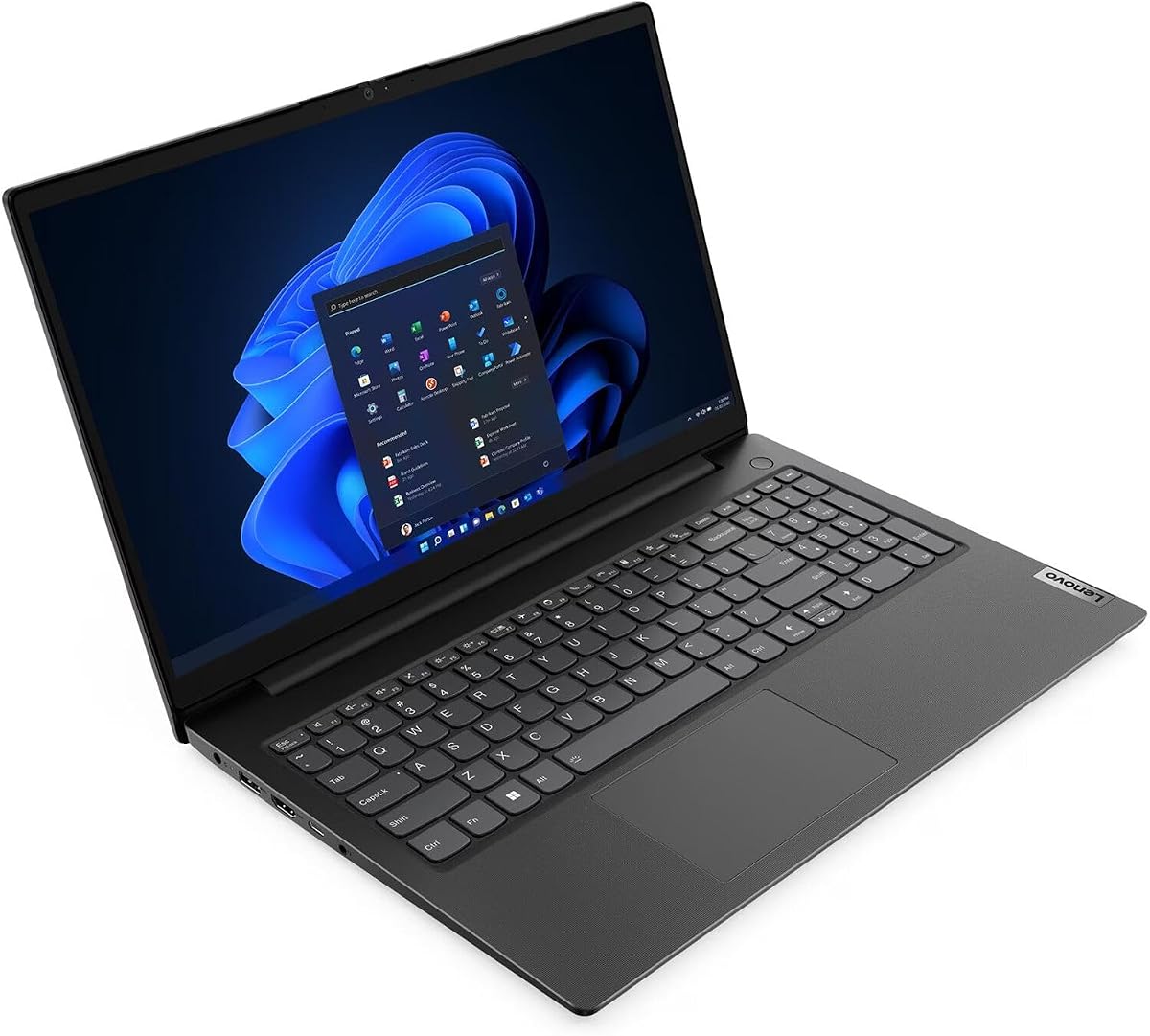
Lenovo Business Laptop – Linux Mint
4.6Editor score
Intel Core i5-1335U Processor
16GB DDR4 RAM
256GB SSD Storage
Discover the top 10 Linux laptops of October 2026. We compare performance, build quality, and value to help you choose the ideal machine for your needs.
Finding the right Linux laptop can be challenging since many manufacturers prioritize Windows. However, open-source enthusiasts and developers need reliable hardware that supports distributions like Ubuntu and Fedora seamlessly.
Our team analyzed ten distinct models ranging from rugged field units to sleek ultrabooks. We evaluated processor speed, memory capacity, display quality, and native operating system support to build this definitive list.
Each entry below highlights key specifications and real-world usability. Prices fluctuate often so check current listings before purchasing. Our goal is to simplify your search for a powerful open-source workstation.
4.6Editor score

5.0Editor score
5.0Editor score
This table provides a side-by-side view of all ten selected machines. Compare their core specifications to determine which device fits your workflow and budget requirements best.


This Thinkbook 13s offers a refined experience for Linux users seeking portability and power. It arrives with Linux Mint Cinnamon pre-installed ensuring you avoid compatibility issues immediately upon unboxing the device.
We may earn a commission when you buy through this link, at no additional cost to you.
The aluminum body feels premium and durable while keeping weight low at 2.95 pounds. The 13.3 inch IPS display provides sharp visuals and wide viewing angles ideal for daily productivity tasks.
While the 256GB storage is modest for large archives the speed is excellent. You may need to rely on cloud storage or an external drive for extensive media files.
We recommend this model for professionals who value build quality and clean software out of the box. It balances performance and form factor better than most competitors in its class.
Pre-installing Linux Mint removes the hassle of dual-booting or complex driver installations.
Slim 16mm profile and light weight make it easy to carry for remote work.
We may earn a commission when you buy through this link, at no additional cost to you.
This business laptop provides exceptional value by pairing a modern Intel processor with Linux Mint out of the box. It targets users who need a reliable machine without overspending on premium features.
We may earn a commission when you buy through this link, at no additional cost to you.
The 16GB RAM ensures smooth multitasking for typical office applications and browser tabs. The 256GB SSD offers decent speed for system responsiveness though storage might fill up quickly.
Build quality is functional rather than luxurious with a standard plastic chassis. It suits stationary desk setups or occasional travel where cost efficiency is the primary driver.
Budget conscious buyers should consider this option highly. It delivers the core Linux experience without unnecessary bloatware or expensive Windows licensing fees included in the price.
The 13th gen Intel i5 delivers efficient performance for everyday tasks.
Getting Linux pre-installed saves time and avoids potential installation hurdles.
We may earn a commission when you buy through this link, at no additional cost to you.
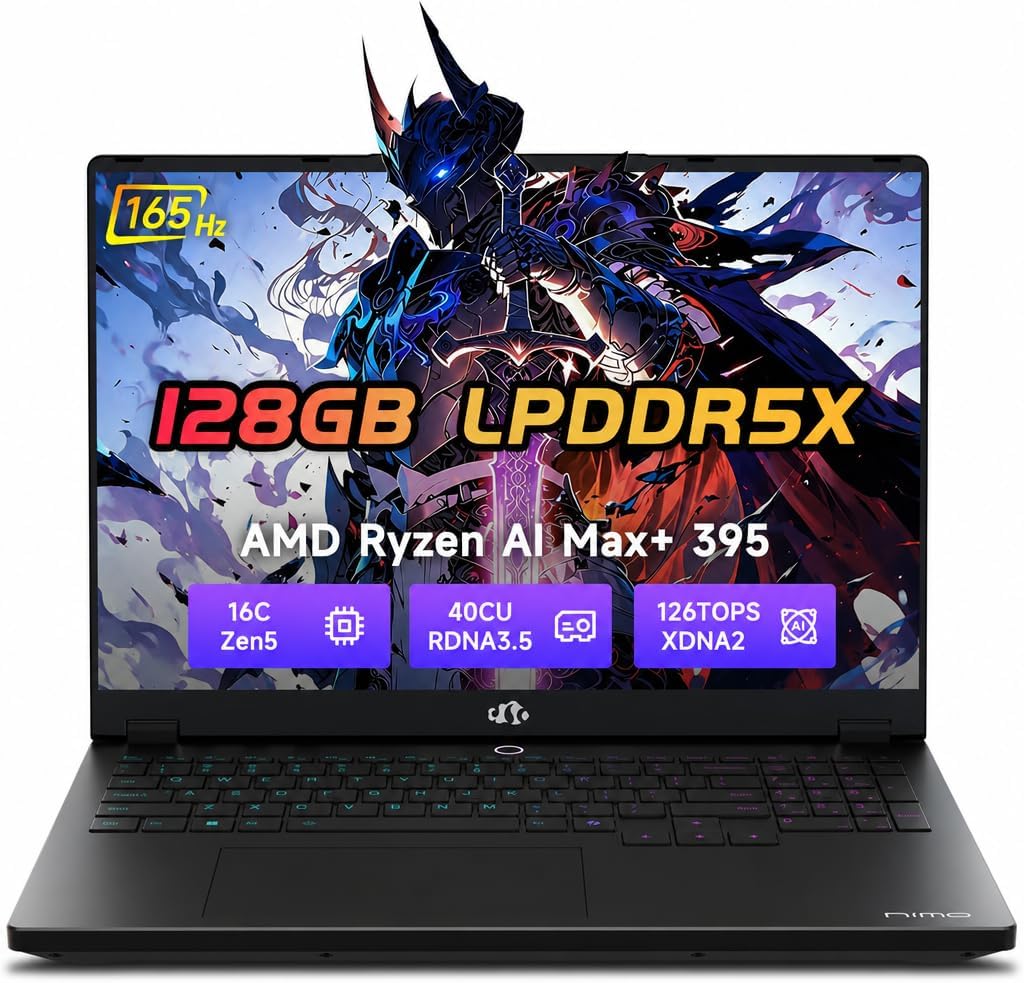
NIMO delivers a powerhouse workstation specifically tuned for AI developers and researchers. With 128GB of RAM and 4TB of storage it handles local large language model training effortlessly.
We may earn a commission when you buy through this link, at no additional cost to you.
The AMD Ryzen Max+ 395 processor offers desktop level performance in a laptop form factor. This machine is designed for intensive compiling rendering and machine learning tasks without slowing down.
Carrying this machine requires a sturdy bag due to its weight. The 16 inch screen consumes more space than smaller ultrabooks but provides ample workspace for complex projects.
For power users who demand maximum resources this is arguably the best option available. The Linux customization allows you to leverage every byte of hardware potential effectively.
128GB RAM enables running multiple Docker containers and VMs locally.
4TB SSD ensures you never run out of space for datasets and models.
We may earn a commission when you buy through this link, at no additional cost to you.
This IdeaPad combines solid hardware with a touchscreen experience for those who prefer direct interaction. Ubuntu comes pre-installed providing a stable and secure environment for daily computing tasks.
We may earn a commission when you buy through this link, at no additional cost to you.
The AMD Ryzen 7 processor delivers enough power for creative work and multitasking. The 1TB SSD offers generous space for media files without needing external drives immediately.
The included stylus and USB hub add value to the package. However the plastic chassis may feel less premium than metal alternatives found in higher price tiers.
If you want to write notes on screen or navigate with touch this model is ideal. It balances specs and features well for students and casual Linux users.
Stylus support allows for sketching and direct UI manipulation.
External SSD and hub included reduce the need for extra purchases.
We may earn a commission when you buy through this link, at no additional cost to you.
A slightly streamlined version of the Touchscreen model this unit focuses on essential specs. It maintains the Ryzen 7 performance and touchscreen utility at a competitive price point.
We may earn a commission when you buy through this link, at no additional cost to you.
The display certification helps reduce eye strain during long study or work sessions. This is crucial for users spending hours coding or writing in a Linux terminal environment.
Durability claims suggest it can withstand minor drops and spills better than fragile laptops. This ruggedness adds peace of mind for students moving between classrooms or cafes.
We suggest this for students needing a robust machine with visual flexibility. It is a practical choice for those who want modern features without a steep price tag.
Low blue light certification makes long usage sessions easier on eyes.
Military grade standards ensure reliability in varied environments.
We may earn a commission when you buy through this link, at no additional cost to you.
This rugged laptop is built for environments where standard devices fail. With military standards and IP65 certification it withstands dust, water, and significant physical impact reliably.
We may earn a commission when you buy through this link, at no additional cost to you.
The 1200 nits display ensures visibility even under direct sunlight outdoors. This feature is critical for field workers or emergency responders who need clear views at all times.
Legacy serial ports allow direct connection to industrial machinery or diagnostic tools. This makes it unique for niche professional use cases rather than general consumer work.
We recommend this strictly for field professionals needing extreme reliability. While the hardware is older it provides unmatched protection for mission critical Linux applications.
Survives drops and weather that would destroy standard laptops.
Serial ports support legacy hardware without needing extra adapters.
We may earn a commission when you buy through this link, at no additional cost to you.
This ThinkPad brings enterprise-grade security and performance to Linux users. The DDR5 memory provides faster data access compared to older DDR4 systems in previous generations.
We may earn a commission when you buy through this link, at no additional cost to you.
The WUXGA display offers a taller 16:10 aspect ratio ideal for document editing. The keyboard features the classic TrackPoint for navigation without leaving home row during typing.
Keyboard customization via stickers is a minor adjustment for users expecting standard layout. Once configured it functions as a high-performance business machine for coding or management.
We suggest this for enterprises deploying Linux fleets requiring hardware security features. It balances modern specs with the reliable form factor ThinkPad is known for.
DDR5 speeds boost application loading and compilation times.
TrackPoint allows precise mouse control without taking hands off keys.
We may earn a commission when you buy through this link, at no additional cost to you.
This Thinkbook variant stands out due to its 32GB RAM which supports heavy multitasking. It is perfect for running multiple virtual machines or containerized applications simultaneously.
We may earn a commission when you buy through this link, at no additional cost to you.
The 1TB SSD ensures you have ample room for code repositories and large files without external drives. The aluminum chassis maintains a professional look and feel in office settings.
Processor performance is adequate for daily tasks though not the latest generation available. However for compiled workloads memory and storage speed are often more critical than raw CPU cycles.
Developers needing local VMs should consider this model highly. It offers a generous amount of system resources in a portable package for complex development workflows.
32GB RAM allows running multiple VMs without swapping to disk.
1TB SSD provides plenty of room for tools and data.
We may earn a commission when you buy through this link, at no additional cost to you.
This unit prioritizes memory capacity over storage speed with 20GB of RAM available. It is useful for users running memory intensive applications like video editors or databases.
We may earn a commission when you buy through this link, at no additional cost to you.
The inclusion of a hard disk drive allows for massive storage at a lower cost but at slower speeds. Boot times and application launches will be slower compared to SSD models.
The 15.6 inch chassis provides more desk space but reduces portability for travel. It is designed to stay at a workstation rather than be carried daily between locations.
Users who need bulk storage and memory on a budget will find this practical. It serves well as a stationary Linux machine for specific high-resource applications.
20GB RAM handles multitasking and heavy software efficiently.
1TB drive stores large files economically despite slower speeds.
We may earn a commission when you buy through this link, at no additional cost to you.
The standard Thinkbook model offers a reliable mix of capacity and portability. It includes a generous 1TB SSD which is a significant upgrade over smaller storage options in its class.
We may earn a commission when you buy through this link, at no additional cost to you.
With 16GB RAM this laptop handles daily office work and development tasks smoothly. The aluminum body ensures durability while maintaining a sleek professional aesthetic for business settings.
Performance is consistent for general usage though the processor is not the newest available. For most users the storage speed and memory balance is more important than peak clock speeds.
We recommend this as a safe default choice for Linux users needing balance. It provides robust specs without the extreme price tag of high-end workstation models.
Combines RAM and storage well for daily use cases.
Camera shutter adds physical security for sensitive work.
We may earn a commission when you buy through this link, at no additional cost to you.
Selecting the right Linux laptop involves evaluating hardware compatibility, build quality, and specific use cases. Here are key factors to consider before making your final decision.
Ensure the processor is fully supported by your preferred distribution. Most modern Intel and AMD chips work well but verify driver availability for specific Linux kernels before purchasing.
Look for newer generations to guarantee long term support and optimal performance.
16GB of RAM is generally the minimum for comfortable multitasking and running modern web apps. Developers running containers should consider 32GB or more for better efficiency.
Higher memory prevents system slowdowns during heavy workloads and compilation tasks.
Solid State Drives are essential for fast boot times and responsive system performance. Mechanical hard drives should be avoided for the main system partition unless budget is strictly limited.
Prioritize NVMe SSDs over SATA options for significant speed improvements.
A high resolution screen helps reduce eye strain during long coding sessions. Look for IPS panels with at least 300 nits brightness for outdoor usability.
16:10 aspect ratios offer more vertical space for reading code or documents.
Metal chassis like aluminum or magnesium alloys are more durable than plastic ones. Check for military grade testing if you travel frequently or work in rough environments.
A sturdy build protects your investment against accidental drops or daily wear.
Choose a machine with a pre-installed distro to save setup time. Ubuntu and Mint are common choices with broad driver support and community resources.
Avoid machines without Linux options unless you are comfortable installing your own OS.
Modern ultrabooks may lack USB-A ports requiring dongles for legacy hardware. Ensure you have enough USB-C or HDMI ports to connect your monitors and peripherals easily.
A versatile port selection reduces the need for extra hubs and adapters.
For remote work battery endurance is critical. Look for models offering at least 8 hours of real usage to get through a full work day.
Efficient processors and larger battery cells contribute to longer unplugged sessions.
Keep your system updated regularly to receive security patches and performance improvements. Using the built-in package manager ensures all software remains current and stable.
Manage your battery health by avoiding extreme heat and not leaving it plugged in continuously. Most modern systems have battery charge limit tools in BIOS to extend longevity.
Utilize the terminal for efficient maintenance but use GUI tools for general users. This approach combines the power of Linux with ease of use for daily tasks.
Yes you can install Linux on most Windows laptops by downloading an ISO image. You will need to backup your data and adjust BIOS settings to allow booting from external media. Some hardware like Wi-Fi cards may need proprietary drivers to function correctly.
Ubuntu and Linux Mint are excellent choices due to their user-friendly interfaces. They offer broad hardware support and large communities that help with troubleshooting. Fedora is also a strong option for users wanting newer software packages.
Linux systems are less prone to malware compared to Windows so antivirus is often optional. However running security tools like ClamAV can provide extra protection against transferring infected files to Windows users.
Yes manufacturers that ship with Linux typically test drivers before release. This ensures hardware like webcams and touchpads work out of the box without manual configuration.
You can run many Windows applications using Wine or virtual machines like VirtualBox. For native apps however you must look for open-source alternatives or web-based versions.
Most drivers are included in the kernel so system updates handle them automatically. For specific hardware like NVIDIA graphics you may need to install proprietary drivers through the settings menu.
Our top three picks cover the spectrum from budget to high-end performance for different needs. The Thinkbook 13s offers the best balance while the NIMO leads in raw power.
Prioritize memory and storage when choosing a machine for development tasks. A good processor matters less than RAM if you plan to run multiple virtual environments.
Remember to verify current stock and prices before purchasing as deals change frequently. These machines offer a solid foundation for anyone wanting to work in a Linux environment today.