
Audio Compressor Dual-Channel
4.7Editor score
Dual-channel precision control
Classic VCA circuitry
Noise gate included
This guide compares the top hardware compressors for home studios to help you choose the right dynamics processor for your mixing and recording needs.
Hardware compressors are essential tools for any home studio looking to achieve professional-sounding mixes. They control dynamic range, add sustain, and ensure instruments sit perfectly in the mix without drowning each other out.
We evaluated ten top-rated units based on sound quality, feature sets, build quality, and ease of use. Our analysis covers everything from budget-friendly options to high-end mastering-grade processors to find the best fit for your workflow.
Each pick highlights key strengths and ideal use cases so you can make an informed decision. Keep in mind that availability and pricing can change over time, so check current listings before purchasing your new gear.
4.7Editor score

4.9Editor score

3.4Editor score
This side-by-side comparison highlights the core specifications and features of each unit to help you quickly identify which compressor matches your specific audio processing requirements.



The dbx 266xs stands out as a reliable workhorse for home studios needing precise dynamics control. With a 4.6 rating, users appreciate its error-proof operation that smooths uneven levels effectively across various sources.
We may earn a commission when you buy through this link, at no additional cost to you.
Its new gate timing algorithms ensure the smoothest release characteristics, preventing audible pumping during quiet passages. Separate precision LED displays for gain reduction and thresholds allow for quick accurate setup without guesswork.
While it lacks advanced stereo linking found in higher-end units, its program-adaptive expander gates work well for most material. The compact 1U design fits easily into tight rack configurations without sacrificing performance.
If you need a straightforward dynamic processor that delivers consistent results for vocals drums or guitars, this unit is a top recommendation. It balances functionality and ease of use perfectly for mixed production environments.
New gate timing algorithms ensure smooth release characteristics that prevent audible artifacts during dynamic transitions.
Separate LED displays for gain reduction and thresholds allow quick accurate setup during recording sessions.
We may earn a commission when you buy through this link, at no additional cost to you.
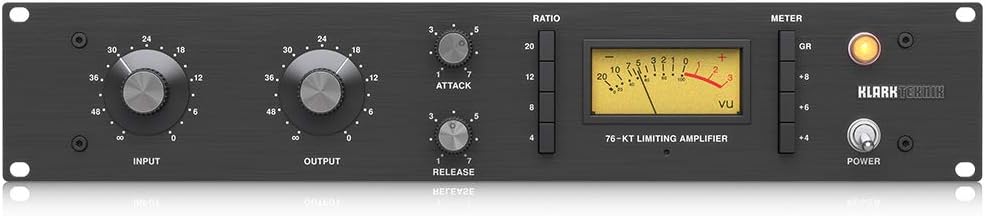
The Klark Teknik 76-KT brings a classic FET-style compressor sound to modern home studios. Modeled after iconic revisions, it offers a completely discrete signal path that preserves signal integrity throughout the chain.
We may earn a commission when you buy through this link, at no additional cost to you.
Users benefit from a Class-A line-level output amplifier that ensures clean signal delivery. Custom-built MIDAS input and output transformers add warmth and depth to recordings, enhancing overall tonal character significantly.
Push button selection of compression ratios like 4:1 or 20:1 provides straightforward control for aggressive dynamics shaping. While fixed attack times limit flexibility, the preset ratios cover most essential mixing scenarios effectively.
This unit is ideal for engineers seeking vintage analog coloration without the high cost of original hardware. Its robust build and discrete design make it a reliable choice for tracking and mixing vocals and instruments.
Modeled after iconic 1176 revisions, this unit delivers the classic FET-style sound that defines modern music production.
Custom-built MIDAS input and output transformers add warmth and depth to recordings for rich tonal quality.
We may earn a commission when you buy through this link, at no additional cost to you.
The Warm Audio WA-1B offers a 1-channel Tube Optical Compressor experience tailored for those seeking premium vintage tones. It utilizes analog optical isolators to create smooth natural compression ideal for vocals and acoustic instruments.
We may earn a commission when you buy through this link, at no additional cost to you.
Its optical response is inherently smooth which prevents harsh artifacts during gain reduction. The tube circuit adds harmonic saturation that enriches signals making them sit beautifully in a busy mix without digital harshness.
While the controls are minimal compared to variable gain compressors, this simplicity ensures a focused workflow. The single-channel design makes it perfect for bus compression or critical track processing where coloration matters most.
Investing in this unit brings professional studio character to home setups. If you value rich warm compression and have the budget for high-end gear, this optical compressor delivers exceptional sonic results consistently.
Utilizes analog optical isolators to create smooth natural compression that is ideal for delicate acoustic sources.
The tube circuit adds harmonic saturation that enriches signals and helps them sit beautifully in a busy mix.
We may earn a commission when you buy through this link, at no additional cost to you.
This Audio Compressor Dual-Channel unit delivers full control over every sound source at an affordable price point. Its advanced Overeasy compression and auto attack/release settings provide smooth dynamics control for vocals and instruments alike.
We may earn a commission when you buy through this link, at no additional cost to you.
Enhanced vocal presence is achieved through classic VCA circuitry that brings vocals to the front of the mix with a rich natural tone. This makes it ideal for recording and live streaming scenarios where clarity is paramount.
Visual monitoring features include precision LED displays for gain reduction and gate thresholds allowing you to fine-tune settings with confidence. A built-in noise gate function reduces unwanted background noise effectively during quiet sections.
For those needing versatile dynamics processing without breaking the bank, this dual-channel compressor is an excellent starting point. It offers seamless integration with professional setups and reliable performance for various applications.
Engineered for clarity, the classic VCA circuit enhances vocal warmth and detail to bring vocals to the front of the mix.
Includes a side chain insert for effective frequency ducking to tighten low-end instruments like bass or kick drums.
We may earn a commission when you buy through this link, at no additional cost to you.
The ART Solo VLA is a Single Channel Multi-Voice Compressor that offers mastering quality audio signal paths. It provides selectable MultiVoice Tube/Solid State control allowing users to switch between warm tube and clean solid state compression easily.
We may earn a commission when you buy through this link, at no additional cost to you.
Features include OPTO Analog Optical Isolators (AOI) that ensure precise gain reduction without unwanted distortion. Variable Blend functionality allows mixing uncompressed and compressed signals to create a unique dynamic profile for any source.
Users can switch selectable level modes between +4dBu and -10dBV to match various studio standards seamlessly. The high 4.9 rating reflects its effectiveness in achieving professional results across diverse recording environments consistently.
This compressor is perfect for those wanting versatility in tone shaping without needing multiple units. Its optical technology and blend control make it a powerful tool for tracking and mastering vocals and acoustic instruments.
Selectable MultiVoice Tube/Solid State control allows you to switch between warm tube and clean solid state compression.
Variable Blend allows mixing uncompressed and compressed signals to create a unique dynamic profile for any source.
We may earn a commission when you buy through this link, at no additional cost to you.
The dbx DBX286SV is a full featured Pre-Amp for Microphones and Instruments that functions as a comprehensive Channel Strip Processor. It includes four independent effects: Compression, De-Esser, Enhancer, and Expander/Gate for complete signal shaping.
We may earn a commission when you buy through this link, at no additional cost to you.
Classic dbx compression reduces dynamic range effectively so loud and quiet elements are heard clearly. The Enhancer increases detail and definition of high and low frequencies adding punch and shimmer to a mix significantly.
Additional 1/4 TRS Line Input can accept balanced or unbalanced signals to process live electronic instruments or pre-recorded tracks. Loop-Out allows interfacing between the Mic Preamp and signal processing sections to add external processors easily.
This unit is ideal for recording engineers needing a complete vocal chain in one rack space. Its floating balanced XLR Mic Input ensures optimal performance with various microphone types and interfaces seamlessly in studio setups.
Acts as a full featured Pre-Amp and Channel Strip Processor with four independent effects for complete signal shaping.
The Enhancer increases detail and definition of high and low frequencies adding punch and shimmer to a mix.
We may earn a commission when you buy through this link, at no additional cost to you.
This Audio Compressor Vocal unit is designed for versatile audio applications delivering smooth and consistent level management. Built-in Overeasy compression ensures a more natural transition into gain reduction preventing abrupt changes in volume.
We may earn a commission when you buy through this link, at no additional cost to you.
Professional XLR and TRS connectivity integrates easily with mixers audio interfaces and PA systems. The VCA-based design improves vocal clarity warmth and presence making it ideal for studio vocals voiceovers and podcasting.
Precise LED indicators provide visual feedback during setup while a built-in noise gate helps reduce ambient background noise effectively. Dedicated sidechain input supports frequency-based ducking perfect for tightening bass and kick drums in mixes.
Ideal for studio recording live sound streaming and stage performance environments this unit offers reliable dynamics control. Its adjustable attack and release controls allow detailed dynamic shaping for modern studio production and live needs.
Built-in Overeasy compression ensures a more natural transition into gain reduction preventing abrupt changes in volume.
Dedicated sidechain input supports frequency-based ducking perfect for tightening bass and kick drums in mixes.
We may earn a commission when you buy through this link, at no additional cost to you.
The Behringer Classic 2-Channel captures the legendary sound of the Neve 33609 offering a rich vintage tone. Developed with engineers who worked with Rupert Neve, it ensures authentic sound while meeting modern production needs effectively.
We may earn a commission when you buy through this link, at no additional cost to you.
Dual Channel Flexibility provides compressor and limiter modes for subtle musical compression and aggressive peak control. Each channel offers precise and repeatable settings ensuring consistent performance for every recording or mastering session.
Smooth Compression Controls with adjustable Threshold Recovery Gain and Ratio allow sculpting dynamic range smoothly without compromising natural characteristics. The Limiter section offers aggressive peak control with a wide recovery range for finding the perfect balance.
Versatile and Portable Design in a 2U rackmount chassis makes it ideal for studio use live sound and on-location recording. It offers stereo or mono operation individual bypass for each channel and external control options via the rear panel.
Developed with engineers who worked with Rupert Neve, it ensures authentic sound while meeting modern production needs.
The 369 features both compressor and limiter modes providing subtle musical compression and aggressive peak control.
We may earn a commission when you buy through this link, at no additional cost to you.
The ART SCL2 offers Dual Channel or Linked Stereo Operation for flexible dynamics processing across mono and stereo signals. Its 1/4-Inch TRS And XLR Balanced Inputs ensure seamless integration into various professional audio environments and setups.
We may earn a commission when you buy through this link, at no additional cost to you.
Stereo Mode Balance Control allows users to fine-tune the relationship between left and right channels for balanced output. Selectable Auto/Manual Attack/Release provides versatility for both quick setup and detailed manual shaping of dynamics.
Precise Led Level Meters give clear visual feedback on gain reduction and signal levels allowing accurate adjustments during mixing. This combination of features makes it a practical choice for stereo bus compression and linking applications.
Designed for those who need reliable stereo compression without excessive complexity, this unit delivers consistent results. Its black aesthetic complements modern studio racks while providing essential dynamics control for professional mixes.
Dual Channel or Linked Stereo Operation offers flexible dynamics processing across mono and stereo signals.
Stereo Mode Balance Control allows users to fine-tune the relationship between left and right channels.
We may earn a commission when you buy through this link, at no additional cost to you.
The Warm Audio Bus-Comp is a Stereo VCA Bus Compressor designed specifically for mixing bus dynamics control. It offers 5 Ratios providing versatile compression options suitable for both subtle glue and aggressive peak limiting on buses.
We may earn a commission when you buy through this link, at no additional cost to you.
A Side Chain Input Filter allows precise control over which frequencies trigger the compressor helping avoid pumping on low-end instruments. Cinemag Transfmers contribute to a rich analog tone that enhances the overall cohesion of the mix.
This unit excels in scenarios where a cohesive glue is needed across instruments or vocal stems. Its stereo configuration ensures balanced processing between left and right channels preventing phase issues during complex mixes.
Ideal for mixing engineers seeking a dedicated stereo compressor for bus applications, this unit delivers professional results. Its combination of VCA speed and transformer warmth makes it a powerful addition to any home studio chain.
Cinemag Transfmers contribute to a rich analog tone that enhances the overall cohesion of the mix.
A Side Chain Input Filter allows precise control over which frequencies trigger the compressor.
We may earn a commission when you buy through this link, at no additional cost to you.
Selecting the right hardware compressor requires evaluating several factors to match your specific recording and mixing needs accurately.
Hardware compressors come in various types including VCA optical FET and tube circuits. Each type offers distinct sonic characteristics such as aggressive attack for VCA or smooth warm reduction for optical and tube units.
Choose a type based on the tonal color you want to add to your recordings and the sources you process most.
Single-channel units are ideal for tracking vocals or instruments individually while dual-channel or stereo models suit bus compression. Stereo linking ensures both channels track together preventing phase issues on wide signals.
Consider whether you need separate control for two sources or stereo linkage for your mix bus.
Look for units offering adjustable threshold attack release ratio and gain controls. More knobs provide precise shaping while simpler units offer faster workflows with preset or auto modes.
Ensure the compressor has enough manual control to suit your mixing style and complexity requirements.
Verify the unit includes balanced XLR or TRS inputs and outputs to integrate seamlessly with your audio interface. Sidechain inserts are vital for frequency ducking or external triggering purposes in advanced setups.
Select models that offer the necessary connectivity to fit into your existing signal chain without extra adapters.
Rackmount units should fit standard 19-inch racks with appropriate depth. Durable metal chassis and quality components ensure longevity and stable performance during transport or intense use.
Prioritize build quality that matches your environment whether it is a permanent studio or mobile setup.
Prices vary significantly based on features brand and circuit complexity. Determine your budget early and prioritize essential features over luxury add-ons that may not impact your workflow.
Balance cost with long-term value by choosing units that offer features you will use regularly.
Some compressors include extra tools like gates de-essers or enhancements that save space and cost. These extras can streamline your workflow by reducing the need for additional hardware processors.
Evaluate if built-in effects justify the added cost compared to using separate dedicated units.
Reading user feedback helps gauge real-world reliability and sonic performance beyond manufacturer claims. High ratings often indicate consistent quality and support from the manufacturer.
Trust established brands with positive histories to ensure you get a dependable tool for your studio.
Begin by connecting your audio source to the input using balanced cables to ensure signal integrity. Adjust the threshold until you see gain reduction occurring on the meter when the signal peaks.
Set attack and release times carefully to shape dynamics without introducing unwanted pumping or distortion. Experiment with ratio settings to find the right balance between control and natural sound.
Regularly inspect cables and connectors for wear to prevent signal degradation or noise. Dust the chassis gently with a soft dry cloth to maintain performance and longevity over years of use.
Hardware compressors use analog circuitry like tubes or transistors to shape dynamics and add coloration. Software compressors emulate this digitally offering more recallable presets and lower cost but less analog character.
While software plugins are powerful, hardware compressors provide tangible control and analog warmth plugins often lack. They are essential for those seeking a more natural sound or physical interaction during recording.
Fast attack times control peaks aggressively and are good for drums while slower times preserve transients for drums and guitars. Start with moderate settings and adjust by ear to taste your desired result.
A sidechain insert lets you trigger compression using a separate signal. This is useful for ducking bass when a kick drum plays or creating vocal-to-music ducking effects.
Yes by setting a high ratio like 20:1 or ∞:1 and a fast attack you can turn a compressor into a limiter. This prevents peaks from exceeding a threshold without altering the overall dynamics significantly.
Transformers add harmonic saturation and warmth to the signal. They also provide balanced signal paths that reduce noise and interference making the audio sound fuller and more professional.
Choosing the best hardware compressor depends on your specific sonic goals and workflow needs. Whether you want vintage warmth or precise control the top picks cover various styles and budgets.
Prioritize features that match your daily tasks like stereo linking or tube saturation to maximize your investment. Avoid buying units with complex features you might not use regularly.
Remember to check current prices and availability before purchasing since deals change frequently. Investing in the right compressor will significantly enhance the quality of your home studio recordings and mixes.