
Seagate Portable 4TB External Hard Drive
4.6Editor score
Portable and lightweight design
Plug and play compatibility
Affordable storage solution
Recording high-quality audio and video requires storage that can handle continuous write speeds without dropping frames or interrupting sessions. Choosing the right drive ensures your projects are saved safely and accessed quickly during editing. Whether you work in a home studio or a professional facility, capacity and reliability matter most.
We evaluated ten leading hard drives based on performance, capacity, interface speed, and reliability for recording workflows. Our analysis covers internal desktop drives, portable external options, and enterprise-grade solutions suitable for NAS systems. Each product was assessed for its ability to sustain high data transfer rates required by modern recording software.
Every selection in this guide highlights specific strengths for recording tasks, from budget-friendly portable drives to high-capacity enterprise units. You will find detailed breakdowns of specs, pros, cons, and ideal use cases for each model. Note that availability and pricing can change, so verify details before purchasing to ensure you get the right tool.
4.6Editor score

4.4Editor score

4.4Editor score
As an Amazon Associate we earn from qualifying purchases.
This side-by-side comparison highlights the key specifications and strengths of each drive to help you match hardware to your specific recording needs. We focus on capacity, interface type, rotational speed, and intended use case.
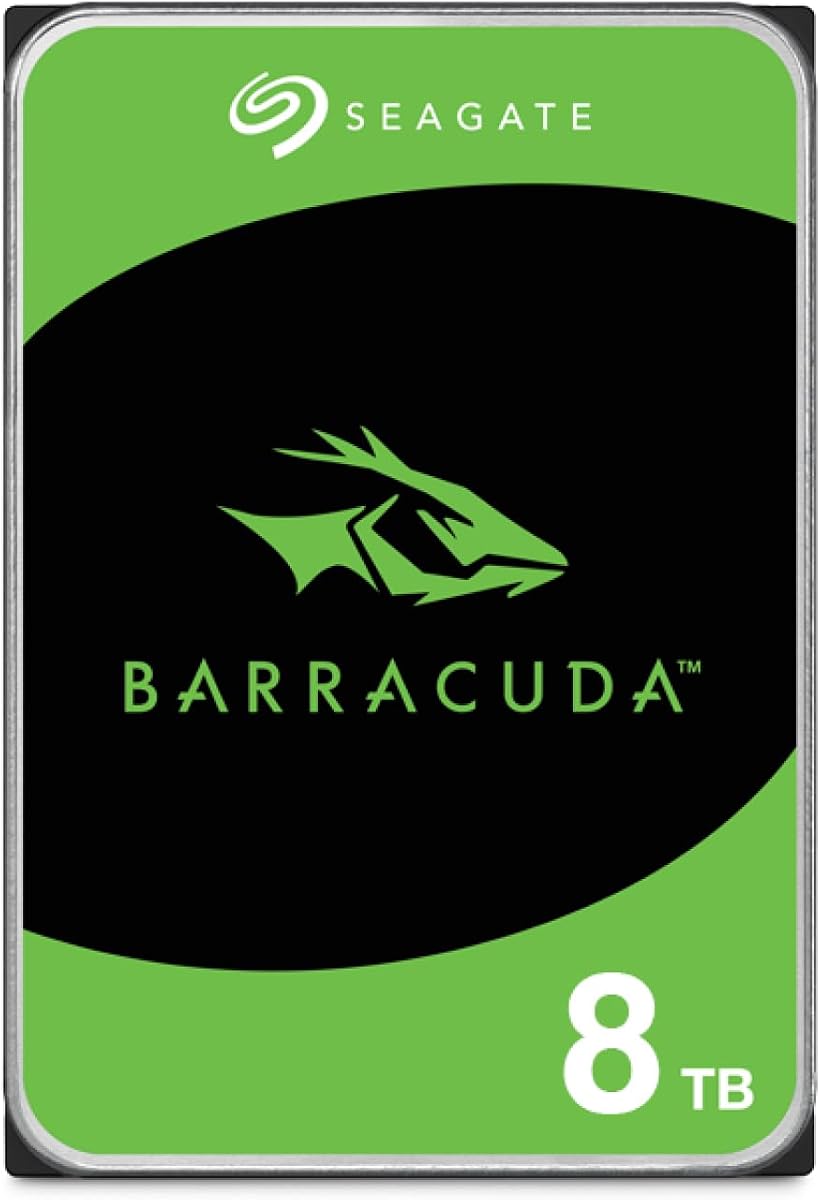


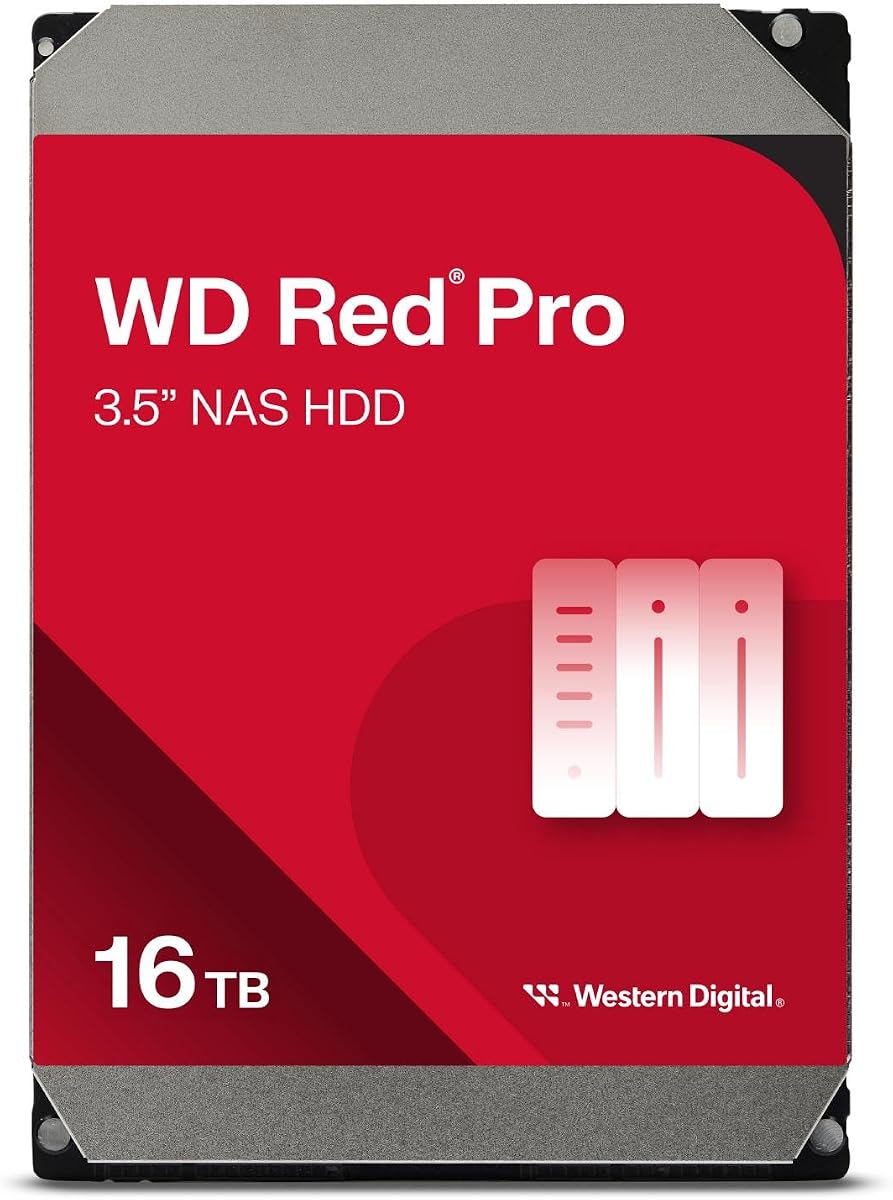
This drive is selected as Editor's Choice for its balanced combination of massive capacity and performance tailored for creative professionals. With a 4.4 rating, it stands out as a reliable internal solution for recording studios needing extensive local storage.
We may earn a commission when you buy through this link, at no additional cost to you.
The 10TB capacity allows recording of countless sessions without external media, while the 7200 RPM speed ensures smooth streaming of multi-track audio or 4K video footage. Western Digital’s StableTrac and Dynamic Cache Technology optimize performance and increase reliability for demanding workloads.
While it requires internal installation and may generate heat during extended operation, these trade-offs are acceptable for desktop systems. Proper ventilation and mounting mitigate thermal concerns, ensuring long-term stability.
Creative professionals and home studio owners needing reliable local storage should choose this drive. It is ideal for system builders and gamers who also record content. The WD_Black performance is unmatched for mid-range desktop needs.
Designed specifically for creative professionals, this drive handles the high data throughput required by recording software without bottlenecks.
StableTrac and Dynamic Cache Technology ensure consistent performance and data integrity over long hours of continuous operation.
We may earn a commission when you buy through this link, at no additional cost to you.
With a 4.7 rating, this drive is the top budget pick for its affordable 6TB capacity and ease of use. It is ideal for archiving recorded files rather than active recording sessions.
We may earn a commission when you buy through this link, at no additional cost to you.
The USB 3.2 Gen 1 interface provides fast data transfer for backups and file storage. Its plug and play functionality requires no software installation, making it accessible for all users.
While not optimized for continuous recording streams due to slower speeds, it excels at storing completed projects. The compact design makes it easy to transport between locations.
Beginners and hobbyists needing affordable storage for completed recordings will find this drive valuable. It is perfect for backups and external archives where performance is secondary to capacity and cost.
At 6TB capacity, this drive offers excellent value for money, making it accessible for creators on a budget.
Works seamlessly with Windows and Mac computers without requiring additional software or drivers.
We may earn a commission when you buy through this link, at no additional cost to you.
Rated 4.4, this drive represents the pinnacle of external storage for professional recording environments. With 52TB capacity and Thunderbolt 3 speeds, it handles massive video and audio libraries effortlessly.
We may earn a commission when you buy through this link, at no additional cost to you.
The Thunderbolt 3 interface delivers speeds up to 540MB/s read, enabling real-time playback and editing of high-resolution media. Its enterprise-class Ultrastar drives ensure reliability under continuous heavy workloads.
While the cost is high and it requires a Thunderbolt port, these factors are justified for professional studios. The performance and capacity justify the investment for those producing high-quality content.
Professionals working with large media files should consider this drive for archival and active project storage. It is ideal for film production, music studios, and media companies requiring robust, fast storage.
Thunderbolt 3 technology enables ultra-fast data transfer, perfect for editing large video files directly from the drive.
Built with Ultrastar drives, this unit offers the durability needed for professional 24/7 recording and editing environments.
We may earn a commission when you buy through this link, at no additional cost to you.
With a 4.7 rating, this drive is a versatile solution for desktop setups requiring solid storage. It supports everything from recording sessions to media libraries.
We may earn a commission when you buy through this link, at no additional cost to you.
The SATA 6 Gb/s interface provides good transfer speeds for recording applications. Its proven technology ensures reliability over 20 years of innovation in storage.
While it is designed for internal use and lacks additional software, it covers nearly every PC application. It is a solid choice for builders needing capacity.
Users seeking a reliable internal drive for recording and storage should consider this option. It is suitable for home offices and desktop PCs needing efficient data management.
Designed to handle a wide range of PC applications from music to video editing and gaming.
Backed by two decades of innovation, this drive offers confidence for continuous data storage.
We may earn a commission when you buy through this link, at no additional cost to you.
Rated 4.6, this drive is ideal for on-the-go recording backup and storage. Its simplicity makes it accessible for all users seeking reliable external capacity.
We may earn a commission when you buy through this link, at no additional cost to you.
The USB 3.0 interface supports plug and play functionality with automatic recognition. It works seamlessly with Windows and Mac without software installation.
While standard USB 3.0 speeds may be slower than Thunderbolt options, it remains effective for storage needs. The included cable ensures immediate connectivity.
Users needing portable storage for completed recordings or backups should choose this drive. It is perfect for traveling professionals requiring convenient file access.
Connect directly to your computer for immediate use with no drivers or software required.
Designed to work with Windows and Mac systems for seamless integration into existing setups.
We may earn a commission when you buy through this link, at no additional cost to you.
With a 4.6 rating, this drive provides reliable everyday computing with substantial capacity. Its WD Blue line ensures consistency for general storage tasks.
We may earn a commission when you buy through this link, at no additional cost to you.
The 7200 RPM speed offers fast performance suitable for recording applications. Free cloning software simplifies system migration and backup processes.
While not specialized for recording, it handles data-intensive tasks well. The trusted brand ensures long-term reliability for users.
Users needing internal storage for general computing and recording should consider this drive. It is ideal for system builders prioritizing reliability and capacity.
Designed for everyday computing with consistent performance for general storage and moderate recording tasks.
Free Acronis True Image WD Edition simplifies backups and system migrations for users.
We may earn a commission when you buy through this link, at no additional cost to you.
Rated 4.6, this drive offers high capacity in a small enclosure perfect for consumers on the go. It provides an efficient solution for external storage needs.
We may earn a commission when you buy through this link, at no additional cost to you.
The SuperSpeed USB 3.2 Gen 1 interface supports expandable plug and play storage. Its compact design makes it ideal for carrying photos, videos, and documents.
While it is not optimized for continuous recording, it handles file storage efficiently. The vast capacity ensures enough space for completed projects.
Users needing portable storage for documents and media should choose this drive. It is perfect for consumers seeking reliable backup solutions for files.
Stores vast amounts of data in a small lightweight enclosure ideal for portable use.
USB 3.2 Gen 1 provides fast data transfer rates for quick file access and backups.
We may earn a commission when you buy through this link, at no additional cost to you.
With a 4.6 rating, this drive stores vast amounts of data for hyperscale environments. It delivers predictable performance for demanding server workloads.
We may earn a commission when you buy through this link, at no additional cost to you.
The CMR technology ensures consistent performance across various workloads. Designed for 24/7 operation, it offers a high MTBF rating ensuring durability.
While it requires enterprise setup and consumes high power, it is built for scale. It is ideal for big data applications needing reliability.
Organizations needing massive capacity for data centers should consider this drive. It is perfect for hyperscale environments requiring consistent server storage.
Conventional Magnetic Recording ensures consistent and reliable performance across various workloads.
Engineered for massive scale-out data centers ensuring high dependability for critical storage.
We may earn a commission when you buy through this link, at no additional cost to you.
Rated 3.9, this drive is built for RAID-optimized NAS systems. It handles the demands of high-intensity multi-user recording and storage.
We may earn a commission when you buy through this link, at no additional cost to you.
The CMR technology provides reliability for continuous operation. Tested with NAS system vendors, it ensures compatibility with most enclosures.
While it requires a NAS environment and high power draw, it is designed for intensity. It is ideal for shared recording storage networks.
Organizations needing shared storage for recording should consider this drive. It is perfect for NAS environments requiring reliable multi-user performance.
Designed specifically for RAID systems ensuring optimal performance and compatibility with NAS enclosures.
Rated for high workload rates ensuring consistent performance in multi-user environments.
We may earn a commission when you buy through this link, at no additional cost to you.
With a 4.5 rating, this drive offers 26TB ultra-high capacity for large-scale storage. It is built for data-intensive applications needing consistency.
We may earn a commission when you buy through this link, at no additional cost to you.
The 7200 RPM speed supports sustained enterprise workloads. Enterprise-class reliability ensures continuous operation for data-intensive tasks.
While it requires internal installation and high power, it is designed for scale. It is ideal for storage servers and large setups.
Users needing maximum capacity for large-scale storage should choose this drive. It is perfect for environments requiring high workload and enterprise reliability.
Stores massive amounts of data in one drive eliminating the need for multiple units.
Built with high MTBF ratings ensuring consistent performance for continuous enterprise operations.
We may earn a commission when you buy through this link, at no additional cost to you.
Selecting the right hard drive for recording involves evaluating capacity, speed, reliability, and interface. This section breaks down the critical factors to consider for your specific workflow.
Recording high-quality audio and video generates large files that accumulate quickly. Choose a drive with enough space for current and future projects to avoid interruptions during sessions. For extensive libraries, drives exceeding 10TB provide peace of mind.
Prioritize capacity based on your typical project length and file formats. Large capacity reduces the need for frequent file transfers and external management.
Recording requires consistent data write speeds to prevent frame drops or audio glitches. Drives with 7200 RPM and SATA 6 Gb/s offer sufficient throughput for most tasks. Enterprise or Thunderbolt options provide faster rates for high-resolution editing.
Look for sustained transfer rates rather than burst speeds. Continuous performance ensures smooth operation during long recording sessions.
The interface determines how the drive connects to your system. Internal SATA drives are best for desktop workstations. External USB or Thunderbolt drives offer portability and flexibility for mobile recording.
Ensure your system supports the required interface for optimal performance. USB 3.2 or Thunderbolt 3 provides fast speeds for external recording needs.
Reliability is crucial when storing valuable recordings. Drives with high MTBF ratings and enterprise-grade components offer better durability. Check warranty terms and reliability histories before purchase.
Opt for drives with proven track records in recording environments. Extended warranties provide additional protection against hardware failure.
Consider whether the drive will be used for active recording or archiving. Internal drives suit active workstations, while external drives are ideal for backup. NAS drives support multi-user recording environments.
Match the drive type to your workflow requirements. Active recording needs fast internal storage while archiving benefits from high-capacity external options.
Ensure the drive works with your operating system and recording software. Most modern drives support Windows and Mac but verify file system requirements. RAID configurations may require specific drive features.
Check system compatibility before purchase to avoid setup issues. Cross-platform support ensures flexibility for mixed OS environments.
Recording drives range from affordable portable units to premium enterprise solutions. Balance cost against required capacity and performance. Higher price often reflects better reliability and speed.
Set a realistic budget based on your needs. Do not compromise too much on reliability for critical storage.
High-performance drives consume more power and generate heat. Ensure your system has adequate cooling and power supply. Proper ventilation extends drive lifespan during continuous use.
Check thermal requirements before installation. Internal drives need good airflow while external units need stable power sources.
Always format drives properly for your operating system before recording. Use APFS for Mac or NTFS for Windows to ensure compatibility and performance. Never use a drive without initializing it first.
Avoid moving active drives during recording to prevent damage. Place drives on stable, vibration-free surfaces. Keep them away from heat sources and direct sunlight.
Regularly back up recordings to secondary storage locations. Use redundant drives for critical projects to ensure data safety. Monitor drive health with diagnostics tools.
For video recording, drives with high sustained write speeds like 7200 RPM SATA or Thunderbolt options are recommended. Internal drives offer better performance while external drives provide portability.
The required storage depends on project length and resolution. Beginners may need 4TB to 8TB while professionals often require 10TB or more. Consider future needs to avoid early upgrades.
Yes but ensure the external drive has fast enough interface like USB 3.2 or Thunderbolt. Internal drives are generally preferred for primary active recording sessions.
CMR (Conventional Magnetic Recording) provides consistent performance compared to SMR. It ensures reliable sustained writes for recording workflows making it preferable for continuous recording.
RAID is useful for redundancy and performance in multi-user or enterprise environments. For individual use, reliable single drives may suffice unless data redundancy is required.
Backup recordings immediately after sessions. Use a 3-2-1 strategy with three copies, two on different media, one offsite. Regular backups protect against data loss.
The top picks cover a range of needs from budget portable storage to enterprise-grade capacity. Each drive offers unique strengths for recording workflows depending on your setup.
Prioritize capacity, speed, and reliability when selecting your drive. Match the interface and form factor to your workflow for optimal performance.
Always check current pricing and availability before purchasing. Verify compatibility with your system to ensure seamless integration into your recording environment.