
Dissolved Oxygen Meter with ATC
4.3Editor score
Extended measurement range
Automatic temperature compensation
Includes calibration powder
This expert guide compares the top ten dissolved oxygen sensors for water quality monitoring in aquaculture, hydroponics, and environmental testing applications
Dissolved oxygen sensors are critical tools for maintaining water quality in aquaculture, hydroponics, and environmental monitoring. They provide precise measurements essential for aquatic health and plant growth.
We evaluated ten leading models based on accuracy, response time, durability, and ease of use. Our comparison covers galvanic, optical, and polarographic sensors for various needs.
Each pick highlights key features, pros, and cons to help you choose the right device. Prices and availability may change over time, so verify details before purchasing.
4.3Editor score
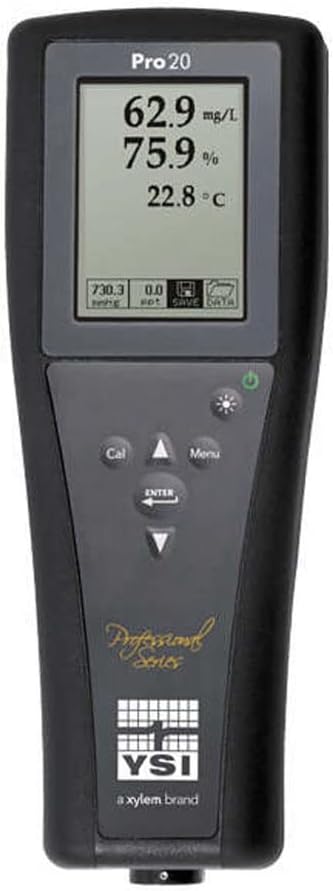
4.4Editor score

4.8Editor score
The following comparison table highlights the key specifications and features of each top-rated sensor to help you make an informed decision.
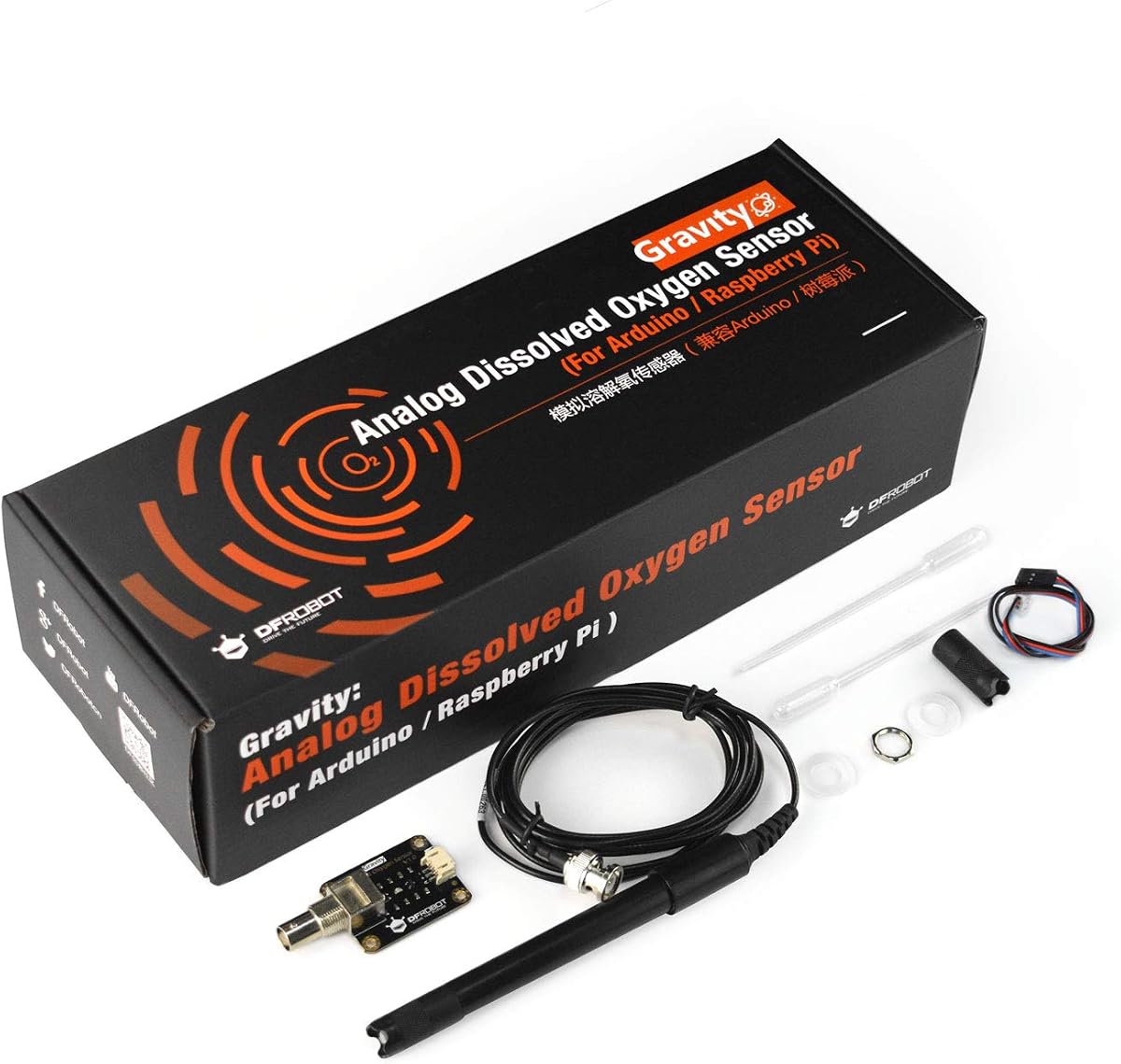


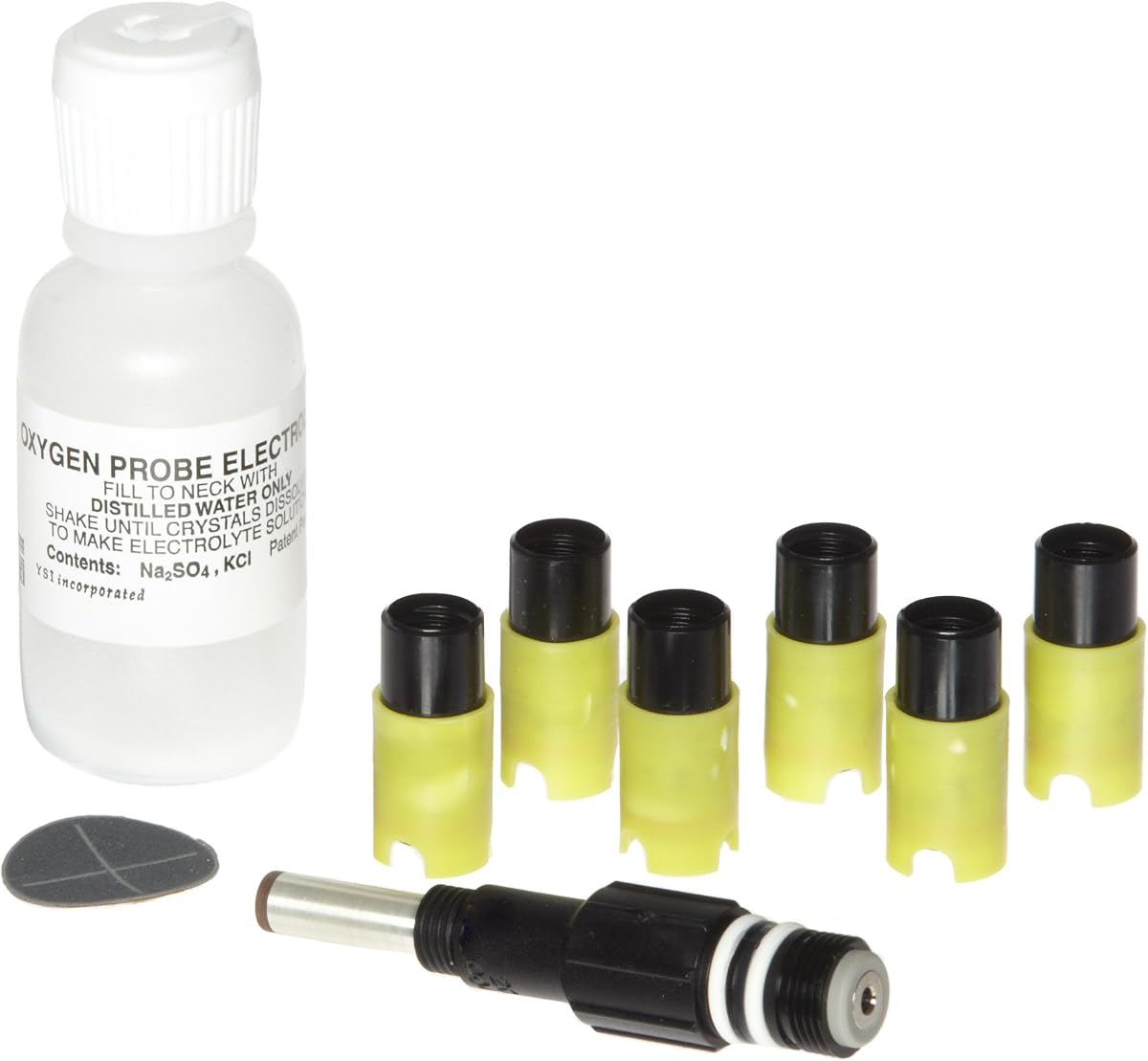
This handheld meter is a top choice for users needing precise dissolved oxygen readings quickly. It earns its spot with reliable YSI engineering and intuitive operation.
We may earn a commission when you buy through this link, at no additional cost to you.
The One Touch Cal feature allows you to calibrate in just three seconds. This speed saves time during field testing. The device also stores fifty data sets so you can review trends later.
While it lacks an included cable, its focus on accuracy and ease of use makes it stand out. The automatic barometric pressure compensation ensures readings remain accurate regardless of altitude.
Professional researchers and aquaculture operators should consider this meter for daily water quality checks. Its combination of speed, data management, and brand reliability delivers strong value.
Calibration happens in seconds with a single button press. This feature minimizes downtime during critical water quality assessments.
The meter automatically adjusts for air pressure changes. This ensures your dissolved oxygen readings remain accurate at any elevation.
We may earn a commission when you buy through this link, at no additional cost to you.
This kit is designed for makers and engineers building custom water monitoring systems. It offers a galvanic probe that works immediately without waiting for polarization.
We may earn a commission when you buy through this link, at no additional cost to you.
The hardware filtering on the signal converter ensures a smooth analog output. This simplifies software development. The included open-source code supports fast calibration algorithms for precise results.
You will need to source the NaOH filling solution locally. However, the ability to replace only the membrane cap reduces long-term costs significantly for frequent use.
Perfect for smart aquaculture or hydroponics projects, this sensor integrates easily with Arduino or Raspberry Pi. Its instant-read capability makes it ideal for low-power IoT applications.
The galvanic probe starts measuring immediately. This saves time compared to polarographic sensors that need pre-heating or stabilization.
Comprehensive documentation and code help you deploy quickly. Wiring diagrams and tutorials are provided for easy setup.
We may earn a commission when you buy through this link, at no additional cost to you.
This meter is a solid choice for basic water quality testing on a budget. It covers an extended range up to 40 mg/L which suits many applications.
We may earn a commission when you buy through this link, at no additional cost to you.
Automatic Temperature Compensation ensures accurate readings despite environmental changes. The included anaerobic water calibration powder and protective covers make it ready to use out of the box.
Lacking a backlight might limit usability in dimly lit areas. However, the clear LCD and user-friendly design compensate for this limitation in most well-lit settings.
Home aquarium owners and students will appreciate its simplicity and affordability. It delivers reliable results for hobbyists who need a functional tool without high costs.
This meter measures higher oxygen levels than standard devices. It supports a broader variety of industrial and recreational applications.
Anaerobic water powder and protective covers are included. You get everything needed to start testing and maintain accuracy.
We may earn a commission when you buy through this link, at no additional cost to you.
This optical sensor is designed for professional environmental monitoring. It uses luminescence technology to measure oxygen without needing frequent membrane changes.
We may earn a commission when you buy through this link, at no additional cost to you.
The sensor integrates with the YSI ProDSS multiparameter system. This allows you to combine dissolved oxygen readings with other water quality parameters in one log.
Because it lacks a membrane, maintenance is simplified. However, you need a ProDSS host device to power and read the sensor properly.
Environmental consultants and researchers who need robust data logging should choose this sensor. Its stability and compatibility make it a powerful tool for field profiling.
This sensor uses light to measure oxygen levels. It offers superior stability compared to electrochemical methods.
It connects seamlessly with YSI ProDSS devices. You can log multiple parameters simultaneously for comprehensive analysis.
We may earn a commission when you buy through this link, at no additional cost to you.
This meter is tailored for pond and aquarium owners. It provides both mg/L and percentage saturation units which are useful for fish tank maintenance.
We may earn a commission when you buy through this link, at no additional cost to you.
A 3.6-foot cable lets you measure deep water without getting wet. The backlit display ensures you can read values even in low light conditions.
While ratings are lower, the included solutions make it a convenient starter kit. Just remember to perform two-point calibration regularly for accurate results.
If you need a dedicated tool for your aquarium or small pond, this kit offers good value. Its design prioritizes ease of use for hobbyists.
You can view results in mg/L or percent saturation. Both units help assess water quality effectively.
The display glows for easy reading in dark environments. This feature is essential for night checks.
We may earn a commission when you buy through this link, at no additional cost to you.
This meter features an extra-long cable which is perfect for testing deep lakes or large tanks. It also includes salinity and pressure adjustments for higher accuracy.
We may earn a commission when you buy through this link, at no additional cost to you.
With 99 memory slots, you can store data for later analysis. The IRDA port allows for easy data transfer to a computer if needed.
The complexity might be overwhelming for casual users. However, professionals who need detailed environmental data will find these features indispensable.
For field researchers or serious hobbyists, this kit offers versatility. It supports multi-parameter testing and provides reliable results across diverse conditions.
The 11.48 ft cable reaches deep water safely. You can measure at various depths without difficulty.
Store up to 99 readings internally. Transfer data to a PC for reporting with the IRDA port.
We may earn a commission when you buy through this link, at no additional cost to you.
The MW600 is an economical choice for standard water analysis tasks. It offers a reliable polarographic probe with good resolution for typical oxygen levels.
We may earn a commission when you buy through this link, at no additional cost to you.
Calibration is manual but straightforward with the two-point process. The LED display is clear enough to read in bright light conditions easily.
While it lacks advanced features like automatic calibration, it covers the basics well. The included 3m cable makes it practical for most field uses.
Students and educational facilities will find this meter suitable for labs. It balances performance and cost effectively for routine dissolved oxygen testing.
This meter displays readings in increments of 0.1. It provides sufficient detail for most applications.
The probe uses a screw-on cap for easy replacement. This design simplifies routine maintenance tasks.
We may earn a commission when you buy through this link, at no additional cost to you.
This is a standalone sensor designed to fit compatible YSI systems. It features a galvanic design that works well for laboratory and water quality testing.
We may earn a commission when you buy through this link, at no additional cost to you.
You can replace the sensor or membranes without tools. The package includes six membranes and solution which adds significant value for immediate use.
Since it is just the sensor you need a matching meter. But if you have one, this is an excellent way to upgrade or replace an old probe.
Lab managers looking for a reliable replacement part should consider this. It maintains high performance standards with minimal effort.
You can swap the sensor without any tools. This convenience reduces downtime during maintenance.
The package includes multiple membrane caps and solution. You can start using it right away.
We may earn a commission when you buy through this link, at no additional cost to you.
This optical meter represents the top tier of dissolved oxygen testing. It uses state-of-the-art optical technology that eliminates frequent membrane and electrolyte changes.
We may earn a commission when you buy through this link, at no additional cost to you.
Auto calibration for air and zero oxygen simplifies your workflow. The IP67 waterproof rating ensures it can handle tough environments like industrial sites.
While expensive, the reduction in maintenance costs makes it a smart investment. The included case protects your investment during transport.
Facility managers and environmental teams demanding reliability will love this kit. It combines advanced tech with durability for high-performance needs.
This sensor does not require membrane changes. It reduces waste and maintenance effort.
The meter withstands dust and water immersion. It is built for harsh field conditions.
We may earn a commission when you buy through this link, at no additional cost to you.
This polarographic sensor is designed for precise lab measurements. It is part of the YSI Pro Series known for accuracy and stability.
We may earn a commission when you buy through this link, at no additional cost to you.
While it requires electrolyte and a membrane it delivers consistent results. The compact size makes it easy to install in tight spaces.
Polarographic sensors need slightly more attention than optical ones. However, for many lab settings they remain the standard for accurate DO measurement.
Labs that already use YSI systems will find this a logical replacement. It ensures continuity in your data logging protocols.
This sensor uses established polarographic methods. It delivers trusted results for scientific testing.
The small footprint fits various lab setups. It is designed for benchtop and portable use.
We may earn a commission when you buy through this link, at no additional cost to you.
Selecting the right sensor depends on your application, budget, and technical requirements. These factors will help you narrow down the options.
There are two main types of DO sensors: galvanic/polarographic and optical. Galvanic sensors use an electrochemical reaction and need membranes. Optical sensors use luminescence and require less maintenance.
Optical sensors are generally easier to maintain. Galvanic sensors are often more affordable.
Ensure the sensor covers the expected range of your water. Most standard meters measure up to 20 mg/L. Some models extend to 40 mg/L for industrial needs.
Select a range that matches your specific testing environment. Do not choose a sensor that maxes out too early.
Calibration ensures your readings stay accurate. Look for features like one-touch or two-point calibration. Automatic air calibration is a premium convenience.
Regular calibration is necessary for all sensors. Choose a device that makes this process simple and fast.
Oxygen solubility changes with temperature. Automatic Temperature Compensation (ATC) adjusts readings based on water temperature automatically.
Always choose a meter with ATC. Manual compensation adds complexity and potential error.
Some sensors come with fixed probes while others have cables. Longer cables let you measure deep water without getting wet.
Choose a cable length that suits your vessel size. Deep water testing requires longer reach.
If you need to track trends over time, check for data storage. Look for memory capacity and connectivity options like USB or Bluetooth.
Data logging helps you monitor long-term health. It is essential for regulatory reporting.
Field use requires a rugged device. Look for waterproof ratings like IP67. A sturdy case protects the meter from drops.
Invest in a durable meter for outdoor use. It will save money on repairs.
Prices vary based on features. Budget meters are fine for hobbyists. Professional meters cost more but offer better accuracy and longevity.
Determine your needs before setting a budget. Do not overspend on features you will not use.
Calibrate your sensor before every use. Use fresh calibration solutions to ensure accuracy. Air calibration is often the quickest method.
Rinse the probe with distilled water after each use. Remove any debris that might block the sensor. Store it dry to prevent algae growth.
Replace membranes and electrolyte regularly for polarographic sensors. Optical sensors only need the optical cap cleaned. Follow the manufacturer schedule for maintenance.
Most fish require at least 5 mg/L of dissolved oxygen to thrive. Some species like trout need higher levels around 8 mg/L. Low levels can stress fish and lead to loss.
You should calibrate your sensor at least once a week for regular use. Daily calibration is recommended for critical applications. Fresh calibration solutions ensure accuracy.
Galvanic sensors use electricity and membranes to detect oxygen. Optical sensors use light and require less maintenance. Optical sensors are generally more durable but cost more.
Many sensors are designed for both freshwater and saltwater. Check if the meter supports salinity compensation. Without this your readings may be inaccurate in salt water.
Membranes typically last a few weeks or months depending on use. If readings drift or stabilize slowly replace the membrane. Store spares in a sealed container.
An unstable reading usually means the probe is dirty or needs calibration. Check for bubbles on the membrane and clean the probe. Ensure the electrolyte is fresh.
We reviewed ten top options from budget to premium models. Each offers unique features for different users and environments.
Prioritize accuracy and ease of use. If you need minimal maintenance choose an optical sensor. For budget needs a galvanic meter works well.
Remember to check current prices and availability before buying. Your perfect sensor depends on your specific water quality monitoring goals.