
Handheld Fish Finder Portable Fishing Kayak Fishfinder
4.2Editor score
Portable neck strap design
Four AAA battery powered
Two hundred kilohertz sonar
Finding the right depth finder doesn't require a huge budget. Affordable models now offer reliable sonar, clear displays, and easy installation for anglers of all levels.
We compared ten highly rated budget-friendly devices based on performance, durability, and user feedback. Each pick delivers accurate readings without breaking the bank for serious or casual fishermen.
Every product review highlights key specs, pros, cons, and ideal use cases. Prices fluctuate often, so verify current deals before purchasing to ensure you get the best value today.
4.2Editor score
4.6Editor score

4.5Editor score
As an Amazon Associate we earn from qualifying purchases.
This side-by-side comparison highlights the key specifications and capabilities of each affordable depth finder. Review the display sizes, sonar frequencies, and mounting options to match your specific fishing needs.


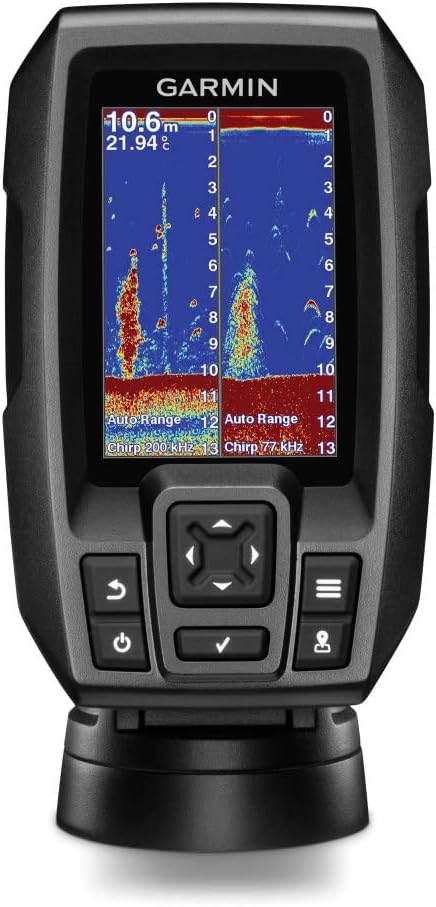
The Garmin Striker 4 stands out as a top choice among affordable depth finders. With a strong rating of 4.6 stars, users appreciate its reliable performance and intuitive design.
We may earn a commission when you buy through this link, at no additional cost to you.
Its ClearVu scanning sonar provides near-photographic images of underwater structures and fish, making identification easier. The CHIRP sonar sends continuous frequency sweeps for better target separation and crisper fish arches.
While the 3.5-inch display is compact, it remains highly visible in sunlight. The built-in flasher option adds versatility for ice fishing or vertical jigging scenarios.
This model is ideal for anglers wanting GPS mapping without a high price tag. It balances portability with advanced features, making it a smart investment for small boats or kayaks.
CHIRP sonar technology ensures you see distinct fish targets rather than blurred blobs on the screen.
Mark and return to productive spots like docks or stumps with the built-in waypoint map feature.
We may earn a commission when you buy through this link, at no additional cost to you.
This portable fish finder offers exceptional value for casual anglers and kayak enthusiasts. With a 4.2 rating, it delivers solid depth readings and fish detection at a very accessible price.
We may earn a commission when you buy through this link, at no additional cost to you.
Designed for portability, it comes with a neck strap so you can wear it while busy fishing. The 4 AAA batteries provide 4-5 hours of continuous use, enough for most short trips.
The 200 kHz sonar provides a 45-degree beam angle, suitable for detecting bottom structure and fish schools. While it lacks GPS, its simplicity makes it easy to use for beginners.
Ideal for shore fishing or small boats, this device proves you don't need expensive gear to find fish. Its compact size fits easily in tackle boxes or pockets.
The included neck strap lets you keep hands free while monitoring depth and fish activity.
Operates effectively in both freshwater and saltwater environments without calibration issues.
We may earn a commission when you buy through this link, at no additional cost to you.
The LUCKY MT-202 brings premium wireless technology to budget-conscious anglers. Its 4.5-star rating reflects user satisfaction with its long range and ease of use.
We may earn a commission when you buy through this link, at no additional cost to you.
With an impressive 853-foot operation distance, you can cast the sensor far from shore or kayak to find fish in deep channels. The scrolling LCD shows a continuous history of passing structure.
The rechargeable display unit eliminates the need for disposable batteries, adding to long-term value. Its floating sensor ensures it won't be lost if dropped in water.
Perfect for travel and spontaneous trips, this unit combines portability with advanced wireless control. It transforms guesswork into precision, especially useful where boat access is limited.
Cast far beyond typical handheld limits to explore new fishing grounds safely from shore.
The scroll feature helps you track movement patterns over time for better strategy.
We may earn a commission when you buy through this link, at no additional cost to you.
The HawkEye DT1H is a simple, functional depth finder for anglers who need quick readings. Its 4.2 rating indicates reliable performance for basic depth and temperature needs.
We may earn a commission when you buy through this link, at no additional cost to you.
Knowing water temperature helps predict fish behavior, making this unit useful beyond just depth measurement. The handheld design allows for flexible use from docks or small boats.
While it lacks advanced features like GPS, its simplicity ensures easy setup and use. The 300-foot depth range covers most freshwater and inshore saltwater scenarios.
Best for those who prioritize essential data over complex technology. It fits easily in a tackle box and provides immediate information when you need it most.
Water temperature display helps identify fish-friendly zones based on seasonal preferences.
Small size makes it ideal for anglers with limited space on small vessels.
We may earn a commission when you buy through this link, at no additional cost to you.
Designed with kayak anglers in mind, this LUCKY model offers portability without sacrificing essential data. The 4.1 rating suggests consistent functionality for everyday use.
We may earn a commission when you buy through this link, at no additional cost to you.
It displays fish location, weeds, and rocks, helping you choose the best spots. The backlight allows visibility in low light, extending your fishing hours comfortably.
The castable transducer can be attached to the hull or used freely in water. Five sensitivity levels help adjust for different water clarity conditions.
A strong choice for budget kayakers seeking a dedicated depth finder. It avoids permanent mounting while still offering reliable depth and fish detection on the move.
Portable setup means no permanent installation required, perfect for rental or shared boats.
Shows more than depth by highlighting obstacles and fish schools for smarter casting.
We may earn a commission when you buy through this link, at no additional cost to you.
The Humminbird PiranhaMAX 4 delivers trusted performance with its dual beam sonar. A 4.6 rating highlights its consistency in delivering clear underwater images.
We may earn a commission when you buy through this link, at no additional cost to you.
Dual beam sonar lets you switch between narrow detail and wide coverage based on conditions. The tilt and swivel mount ensures you can see the screen clearly at any angle.
It includes a transom mount transducer, making installation straightforward for small boats. This model focuses on delivering core sonar features without unnecessary complexity.
Ideal for users who want a proven brand at an entry-level price. It simplifies fishing by providing essential depth and fish data reliably on every trip.
Choose wide beam for coverage or narrow beam for detailed structure identification.
Swivel mount reduces glare and improves readability from different seating positions.
We may earn a commission when you buy through this link, at no additional cost to you.
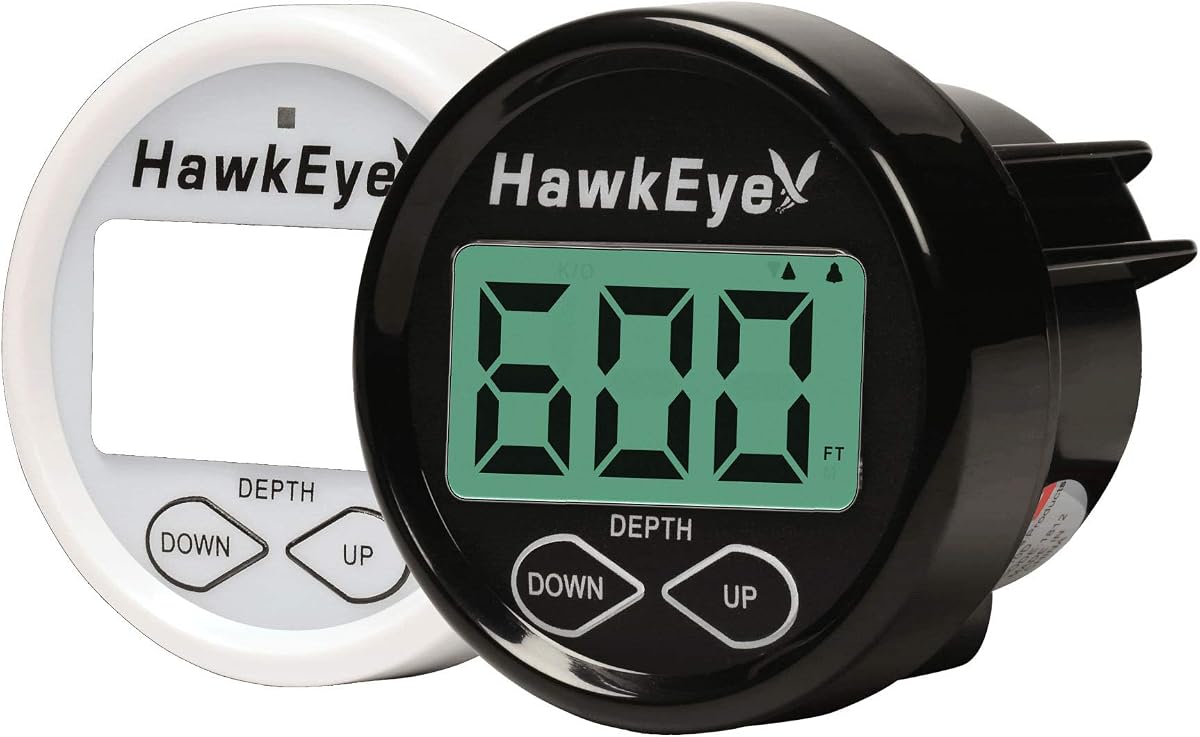
The DepthTrax 2B offers a clean in-dash solution for boat owners. With a 4.2 rating, it delivers steady depth readings even at higher speeds up to 60 mph.
We may earn a commission when you buy through this link, at no additional cost to you.
Its advanced warning system includes audible alarms and LED lights to alert you of shallow water. The polarized LCD ensures clear visibility without glare on sunny days.
Installation involves either transom or glue-in options, depending on hull type. Algorithmic programming helps minimize false readings for more accurate data.
Best for powerboat users wanting a permanent dash installation. It balances performance with simplicity, offering critical depth data without complex setups.
Accurate readings at 60 mph make it ideal for speedboats and larger vessels.
Audible and visual alerts prevent accidental grounding in shallow areas.
We may earn a commission when you buy through this link, at no additional cost to you.
This depth finder stands out with its unique fish lure lamp and contour readout. Rated 4.2 stars, it appeals to anglers looking for extra tools to catch fish.
We may earn a commission when you buy through this link, at no additional cost to you.
The lure lamp attracts light-sensitive fish, providing a passive method to boost catch rates. Contour readout helps visualize the bottom structure more clearly than standard depth numbers.
It is rugged enough for ice fishing and resists water splashes up to 100 feet. The compact design makes it easy to carry on trips or store in gear.
A fun addition for anglers willing to try different strategies. It combines standard depth data with a few bonus features to enhance the overall fishing experience.
Two-color lamp can attract specific fish types in dark or deep water.
See bottom structure changes to identify potential holding spots for fish.
We may earn a commission when you buy through this link, at no additional cost to you.
The Lowrance Eagle series is known for its excellent screen clarity. With a 4.3 rating, users appreciate how easily they can see fish in bright sunlight.
We may earn a commission when you buy through this link, at no additional cost to you.
Auto-Tuning Sonar automatically optimizes settings so you spend less time adjusting and more time fishing. The 4-inch IPS screen stays readable even with polarized sunglasses on.
Installation is simplified with twist-lock connectors, making swaps or storage quick. The compact portrait design fits well in limited boat spaces.
Best for anglers prioritizing display quality. Its smart features reduce manual input, making it a user-friendly choice for both new and experienced fishers.
System adjusts sonar settings automatically to match current water and speed.
IPS screen technology ensures clear visuals even under direct bright sun.
We may earn a commission when you buy through this link, at no additional cost to you.
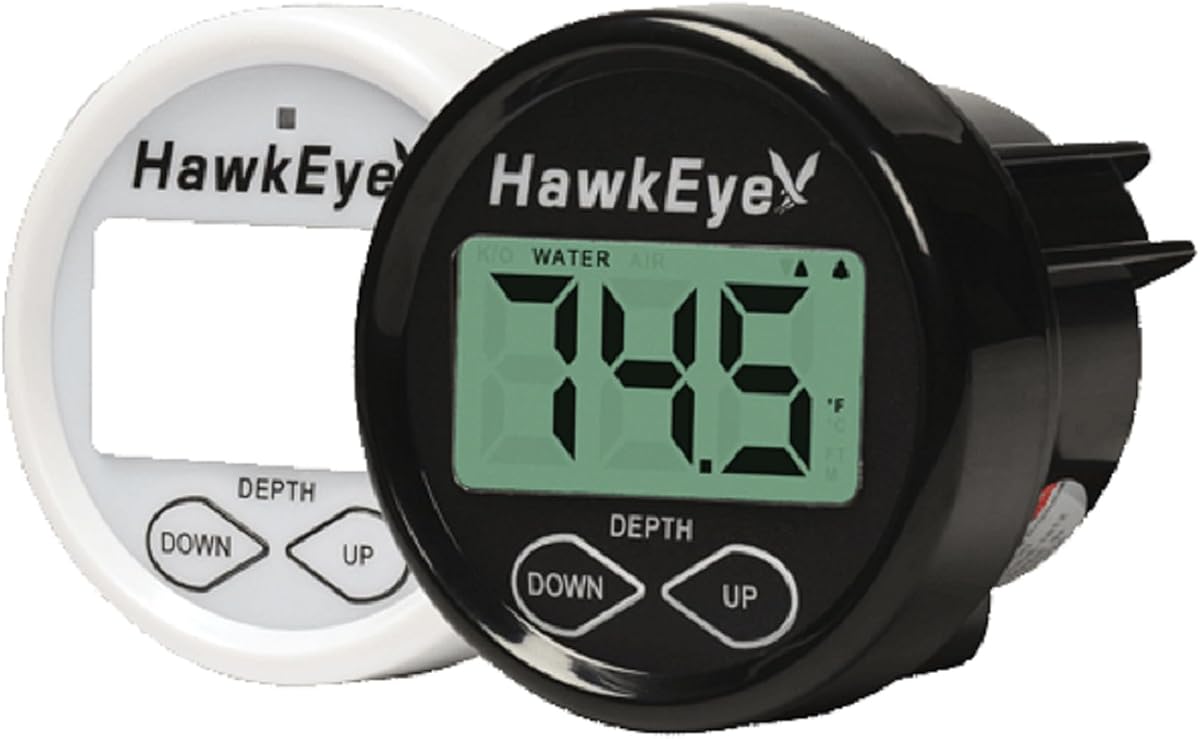
The HawkEye DT2BX-TM offers a solid dash-mounted option with dual temperature readings. A 4.2 rating reflects dependable performance for daily boating and fishing.
We may earn a commission when you buy through this link, at no additional cost to you.
It displays both air and water temperature on a soft glow backlit LCD, helpful for planning comfort and fish behavior. The alarm system provides three-stage warnings for depth conditions.
Installation requires a 2-inch hole for flush mounting, ensuring a clean look on the console. The transom mount transducer includes 30 feet of cable for flexibility.
Ideal for boats needing a permanent depth monitor with added temperature data. It delivers essential information clearly while fitting neatly into dashboard setups.
Air and water readings help plan trips based on comfort and fish activity.
Backlit display ensures visibility at night without blinding other boaters.
We may earn a commission when you buy through this link, at no additional cost to you.
Choosing the right cheap depth finder involves balancing features, display quality, and installation type. Use these factors to narrow down options that fit your fishing style.
Display size affects how easily you can see fish arches and depth numbers. Look for backlit screens that remain visible in bright sunlight. IPS technology often offers better viewing angles than standard LCDs.
Aim for at least a 3.5-inch screen for comfortable reading while moving. Backlights are essential for early morning or night fishing trips.
Sonar frequency determines resolution; 200 kHz is common for general use. Wider beam angles cover more area but may miss small targets. CHIRP technology improves target separation for clearer images.
Consider 200 kHz frequencies for most freshwater and inshore saltwater needs. Choose wider beams for open water and narrower for detailed structure.
Mounting style depends on your vessel size and whether you want permanent or portable gear. In-dash units require drilling but offer stable viewing. Handheld and transom mounts allow for flexible use on multiple boats.
Handheld units are best for kayaks or occasional use. Permanent transom mounts suit dedicated fishing boats.
Battery life varies between disposable AAA batteries and rechargeable units. Continuous use often lasts 4-5 hours on standard batteries. Rechargeable options save long-term costs and reduce waste.
If you fish for long sessions, check battery capacity. Portable models should offer at least 4 hours of continuous operation.
Ensure the depth range matches your typical fishing spots. Most budget models cover up to 300 to 600 feet. Check if the device supports both freshwater and saltwater usage.
Shallow lake anglers may need less depth than offshore fishers. Verify saltwater compatibility before purchasing.
Extra features like temperature sensors, alarms, and GPS add value. Temperature helps predict fish behavior, while alarms warn of shallow water. GPS allows waypoint marking for returning to spots.
Prioritize features that match your goals. If mapping isn't needed, skip GPS to save money.
Rugged construction protects against splashes and drops. Look for IPX7 ratings or similar water resistance. A sun cover or polarized display reduces glare and extends unit life.
Check waterproof ratings if using near open water. Durable casing ensures longevity in outdoor conditions.
User-friendly interfaces save time on the water. Keyed buttons or intuitive menus help adjust settings quickly. Auto-tuning features reduce the need for manual tweaking.
Select models with simple controls if you prefer to focus on fishing. Clear labels and logical layouts help beginners.
Install the transducer according to manufacturer instructions, ensuring it is free of air bubbles or debris. For transom mounts, position it flat and clear of propeller wash to avoid false readings.
Power on the unit before casting or driving your boat. Allow a few seconds for the system to initialize and calibrate based on water depth and temperature.
Rinse the device with fresh water after each use, especially in saltwater. Store it in a dry, cool place to protect electronics from moisture and extreme temperatures.
Yes, many budget models provide reliable depth readings and fish detection when used correctly. Consistency depends on proper installation and understanding sonar limitations. For most recreational anglers, affordable units offer sufficient accuracy.
Most handheld depth finders are designed to work in both freshwater and saltwater. Always rinse the transducer and device with fresh water after exposure to salt to prevent corrosion.
CHIRP sonar sends a sweep of frequencies for clearer, crisper images and better target separation. Standard sonar sends single pulses, which can result in less distinct arches and structure detail.
Most entry-level models do not include GPS. Some higher-end budget options like the Garmin Striker 4 offer basic waypoint mapping. Check specifications if GPS is essential to your needs.
Ensure the transducer surface is flat, clean, and free of bubbles or debris. A solid connection in water without air pockets guarantees accurate readings. Test by moving the boat slowly to check for signal stability.
Most portable units using AAA batteries provide 4 to 5 hours of continuous use. Using battery save mode can extend this life significantly for longer fishing trips.
Basic in-dash units require drilling a hole for the display and connecting cables. If you are comfortable with marine wiring, DIY installation is possible. Otherwise, consider professional installation to avoid errors.
Look for flasher modes, fast refresh rates, and portable designs. Ice fishing depth finders benefit from clear displays and features that show fish movement quickly under ice conditions.
Whether you choose the Garmin Striker 4 for GPS or a simple handheld unit for kayaks, affordable depth finders deliver essential data for successful fishing trips. Each product reviewed balances cost with reliable performance.
Prioritize display quality and sonar clarity when comparing options. Features like temperature sensors and alarm systems add value if they match your specific fishing habits and environment.
Always check current pricing and availability before purchasing since deals change frequently. Investing in a quality budget depth finder ensures you locate fish efficiently without overspending on unnecessary technology.