
Canon EOS R50 Mirrorless Camera
4.5Editor score
24.2 Megapixel CMOS sensor
Advanced Dual Pixel autofocus
4K video recording capabilities
This guide compares the top 10 cameras for dental photography to help professionals choose the best intraoral or DSLR system for clear clinical imaging.
Finding the right camera for dental photography is essential for accurate diagnosis and patient communication. High-quality images help you document cases clearly and build trust with your patients effectively.
We reviewed ten top-rated cameras including intraoral units and DSLR systems. Each option was evaluated on image clarity, ease of use, software compatibility, and overall value for dental professionals.
This list shows detailed reviews and comparisons to help you decide. Keep in mind that prices change frequently so check the current listings before making your final purchase decision.
4.5Editor score
4.4Editor score

4.5Editor score
This table provides a side-by-side comparison of all ten cameras including their key specifications and main features to help you quickly identify the best fit for your clinic.


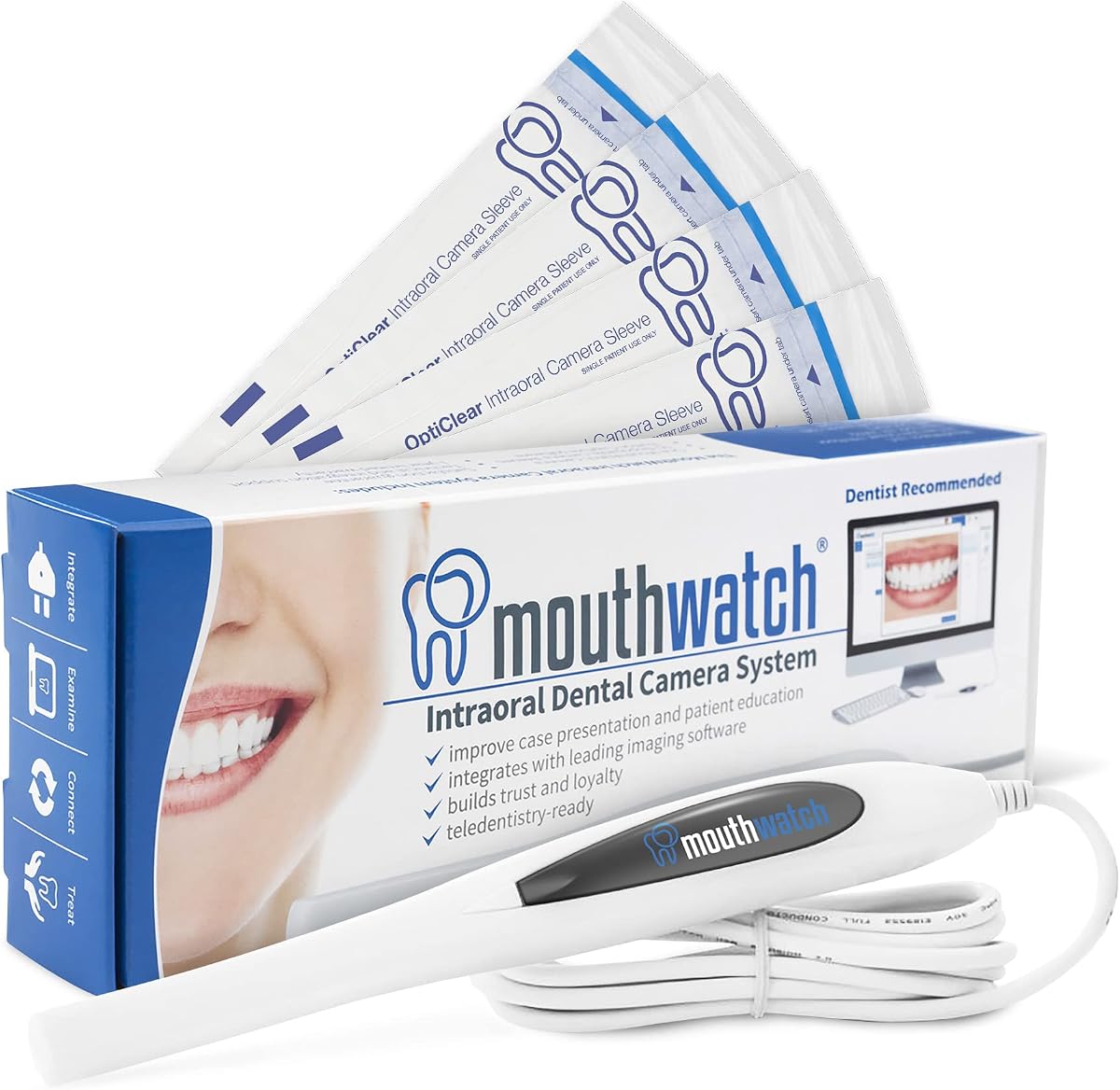
This intraoral camera stands out for its crystal clear imaging and ease of use. With a 4.4 rating it helps dental professionals show patients exactly what needs treatment without any confusion or delay.
We may earn a commission when you buy through this link, at no additional cost to you.
Its fixed focal distance eliminates manual focusing while the single button capture saves time during appointments. The camera integrates seamlessly with over 50 major imaging suites so your workflow stays smooth and efficient.
While it is designed specifically for intraoral use and requires a USB connection the benefits of clear communication and fast imaging outweigh these minor limitations for most practices.
If you need a reliable tool to boost case acceptance and streamline documentation this camera is the top recommendation for your dental practice needs.
Patients understand treatment needs better when they see crystal clear images helping them accept cases more readily.
The single button operation allows for lag-free clicks that save time during every patient interaction efficiently.
We may earn a commission when you buy through this link, at no additional cost to you.
The Canon EOS Rebel T7 offers a powerful entry into DSLR photography for dental clinics seeking higher image quality. Its 24.1 megapixel sensor captures fine details essential for precise dental documentation and analysis.
We may earn a commission when you buy through this link, at no additional cost to you.
Built-in Wi-Fi and NFC make sharing images with patients or lab technicians quick and easy. The optical viewfinder provides a clear and lag-free view which is useful when composing detailed shots in challenging lighting.
Since it does not come with a dedicated macro lens you will need to purchase one separately for close-up dental work. The weight is also higher than portable intraoral cameras making it less convenient for handheld use.
This camera is ideal for clinics that want high-resolution imagery and have the space and budget for a dedicated DSLR setup.
The 24.1 megapixel APS-C sensor ensures sharp details and vibrant colors for clinical records.
Built-in Wi-Fi and NFC allow you to transfer photos instantly to smartphones for patient education.
We may earn a commission when you buy through this link, at no additional cost to you.
This bundle expands on the Rebel T7 by adding essential accessories like a memory card and bag. It offers the same powerful imaging capabilities making it a great value for clinics starting their digital imaging journey.
We may earn a commission when you buy through this link, at no additional cost to you.
The included 64GB memory card means you can start capturing images right away without extra purchases. The shoulder bag protects your equipment during transport which is useful for mobile or multi-location practices.
Like the standard model it lacks a dedicated macro lens for close-up shots and is heavier than intraoral cameras. However the added accessories make it a comprehensive package for professional photography.
Choose this bundle if you want a complete DSLR solution with all the basics needed to get started immediately.
The included memory card and bag mean you have everything needed to start capturing images immediately.
With a 24.1MP sensor and DIGIC 4+ processor this kit delivers vibrant and sharp images for cases.
We may earn a commission when you buy through this link, at no additional cost to you.
The Canon EOS R50 brings advanced mirrorless technology to dental photography with exceptional autofocus and speed. It is perfect for clinics that need both high-quality stills and video content for patient education.
We may earn a commission when you buy through this link, at no additional cost to you.
Its Dual Pixel CMOS AF II covers the entire frame ensuring sharp focus on teeth and gums even in low light. The vari-angle touchscreen makes composing difficult angles much easier than with traditional optical viewfinders.
While it is more expensive and uses Canon RF lenses the performance benefits are significant. The ability to shoot video adds a new dimension to case presentations that static images cannot match.
This premium option is best for clinics that want top-tier imaging capabilities and are willing to invest in the latest mirrorless technology.
The Dual Pixel CMOS AF II with 651 zones ensures sharp focus across the entire frame.
Capture 4K video and high-speed stills to create comprehensive patient education materials.
We may earn a commission when you buy through this link, at no additional cost to you.
The Sony ZV-1 is designed for creators but works well for dental content that needs video or high-quality stills. Its bright lens and sensor produce vibrant results that are great for educational materials and social media.
We may earn a commission when you buy through this link, at no additional cost to you.
Features like product showcase mode help it switch focus quickly to close-up items which can be useful for showing instruments or models. The built-in microphone ensures clear audio if you are recording walkthroughs or explanations.
However it does not have interchangeable lenses or specific intraoral adapters which limits its clinical utility compared to dedicated cameras. It is more of a hybrid tool than a clinical imaging device.
This bundle is suitable for clinics that prioritize content creation alongside basic photography needs and want a compact high-quality camera.
The fast ZEISS lens and 1-inch sensor capture crisp detail and natural colors.
Product showcase mode and excellent audio make this ideal for patient education videos.
We may earn a commission when you buy through this link, at no additional cost to you.
This budget-friendly camera offers high resolution specs on paper making it an attractive option for clinics testing the waters. It includes dual lenses and a touch screen for easy operation and content creation.
We may earn a commission when you buy through this link, at no additional cost to you.
The 88MP resolution and WiFi transfer features allow for quick sharing of images. The included charging stand and batteries provide extended shooting time which can be useful for busy clinic schedules.
However digital zoom does not match optical quality and support from a known brand may be limited. It is a viable option for general documentation but might not meet strict clinical standards.
Consider this camera if you need an affordable alternative for general documentation and are comfortable with lesser-known brands.
With 88MP resolution this camera captures detailed images at an entry-level price point.
Connect via WiFi to transfer photos instantly using the iSmart DV2 app for quick sharing.
We may earn a commission when you buy through this link, at no additional cost to you.
The DY-50 Intraoral Camera delivers clear images and wide software support at a budget-friendly price point. Its ergonomic design makes it comfortable to use during long appointments ensuring consistent documentation.
We may earn a commission when you buy through this link, at no additional cost to you.
It comes with a capture button driver that ensures seamless integration with major software like Eaglesoft and Dexis. The anti-fog lens helps maintain clarity in humid environments which is common in dental procedures.
While it lacks some advanced features found in premium models it covers the essentials for clear communication and case acceptance. The direct USB connection makes setup simple and reliable.
This camera is a solid choice for clinics looking for reliable intraoral imaging without breaking the budget.
The included capture button driver ensures seamless integration with many major dental imaging platforms.
Designed for easy handheld use this camera reduces strain during long documentation sessions.
We may earn a commission when you buy through this link, at no additional cost to you.
The DARYOU DY-60 offers HD video and digital zoom features that can enhance documentation capabilities. It supports many software suites and includes a capture button driver to simplify integration into your existing workflow.
We may earn a commission when you buy through this link, at no additional cost to you.
The 720P HD quality provides clear visuals for patients and lab communication. The zoom feature allows you to focus on specific areas without moving the camera which is helpful for detailed documentation tasks.
While digital zoom has some limitations compared to optical zoom the convenience and clarity are sufficient for many dental practices. The USB connection ensures straightforward setup without extra hardware.
This camera is a good mid-range option for clinics needing HD video and zoom capabilities on a moderate budget.
720P HD resolution provides clear visuals for detailed patient communication and documentation.
The 4X zoom allows for closer examination of specific areas without moving the camera.
We may earn a commission when you buy through this link, at no additional cost to you.
The UNK Kime-X8S provides a complete all-in-one solution with an integrated computer and touchscreen. It allows for complex documentation workflows with quad-split views for before and after comparisons.
We may earn a commission when you buy through this link, at no additional cost to you.
WiFi QR code transfer makes sharing images with patients fast and simple without cables. The system comes with an ultra-slim camera that improves workflow efficiency and ergonomics for the user.
While it takes up more space than handheld units the plug-and-play nature saves setup time. The integrated display ensures everything works together seamlessly without needing external monitors or PCs.
Choose this system if you want a self-contained imaging station that simplifies workflow and reduces setup complexity.
The 17 inch touchscreen lets you compare multiple views directly on the system display.
Transfer photos to any device instantly with WiFi QR functionality without needing cables.
We may earn a commission when you buy through this link, at no additional cost to you.
This dental photography aid is a lighting kit that enhances any smartphone or existing camera setup. It provides adjustable lighting which is crucial for showing fine surface details on teeth clearly.
We may earn a commission when you buy through this link, at no additional cost to you.
The flexible handpiece allows for omni directional shooting so you can adjust the angle easily. It works with most cell phones which makes it an affordable way to improve image quality without buying new hardware.
Since it is a lighting aid rather than a camera itself it does not capture images independently. However the improved lighting ensures your existing device captures higher quality results.
This is an excellent accessory for clinics that want to upgrade their imaging results without replacing their current camera systems.
Fully adjustable brightness from zero to one hundred percent ensures you can show fine points clearly.
The removable handpiece lets you adjust angles easily for omni directional shooting comfort.
We may earn a commission when you buy through this link, at no additional cost to you.
Selecting the right camera involves weighing several factors including resolution compatibility and budget. This guide breaks down the key elements you should consider before purchasing.
Resolution determines how much detail you can capture in your images. Higher megapixels help you zoom in on surface details and textures which is important for accurate diagnosis and lab communication.
Look for cameras with at least 20 megapixels for DSLRs or high-definition sensors for intraoral units to ensure clear documentation.
Your camera must work with your practice management software to save time and avoid extra steps. Many intraoral cameras come with drivers that integrate directly with systems like Eaglesoft or Dexis.
Check the compatibility list provided by the manufacturer before buying to ensure seamless integration with your existing workflow.
Staff should be able to capture images quickly without complex setups. Cameras with one-button capture and ergonomic designs reduce fatigue and improve efficiency during busy days.
Prioritize models with intuitive controls and minimal setup steps to keep your workflow smooth.
Modern cameras should offer wireless options like Wi-Fi or Bluetooth for quick image sharing. These features help you transfer images to patient smartphones or lab devices without cables.
Wireless connectivity is a significant time-saver for patient education and collaboration with external labs.
Dental cameras range from affordable accessories to expensive systems. Determine how much you need in terms of features and balance that with your available budget for the practice.
Consider not only the upfront cost but also any additional accessories or software fees that may be required.
Good lighting is just as important as the camera sensor itself. LED lights and proper optics ensure consistent brightness and color accuracy across all your images.
Look for adjustable lighting options that allow you to eliminate shadows and show details clearly.
Technical support is crucial when you face integration issues or hardware problems. Choose brands that offer responsive customer service and reliable warranty coverage.
Strong support ensures minimal downtime when issues arise in your clinic workflow.
Decide whether you need a handheld intraoral camera or a DSLR system. Intraoral cameras are more portable while DSLRs offer higher resolution for general use.
Choose a type that fits your clinic space and workflow needs best.
To start using your camera properly install the provided software and connect it to your computer. Follow the setup guide to integrate it with your imaging suite so images save directly to patient charts.
Clean the camera head and lens with recommended disinfectants before and after each patient. Use disposable sheaths to prevent cross-contamination and maintain high hygiene standards in your practice.
Store the camera in its case when not in use to protect it from damage. Charge batteries fully and check connections regularly to ensure reliable performance during appointments.
The best camera depends on your budget and workflow. Intraoral cameras like the Crystal Clear model are ideal for dedicated clinical use while DSLRs like the Canon Rebel T7 offer versatility for general documentation. Consider what fits your practice needs best.
Yes DSLR cameras require a macro lens to capture close-up details of teeth clearly. Intraoral cameras typically have fixed focal distances designed specifically for this purpose. Check lens compatibility before purchasing a DSLR.
Yes you can use a smartphone with a lighting kit like the Dental Photography Aid. This is a cost-effective way to improve image quality without buying a full camera system. Ensure good lighting and steady hands for best results.
Most dental cameras come with capture button drivers that allow integration. You may need to run setup instructions provided by the manufacturer. Contact customer support if you face issues during the integration process.
Wireless connectivity helps transfer images quickly to patient devices for education. It reduces cable clutter and speeds up the workflow significantly. Look for Wi-Fi or Bluetooth support when choosing your camera.
With proper care and cleaning sensors can last several years. Avoid harsh chemicals and ensure you use protective sheaths during procedures. Regular maintenance extends the lifespan of your camera significantly.
Resolution should be high enough to show fine details like cracks or surface changes. A minimum of 20 megapixels for DSLRs is recommended. Intraoral cameras often specify clear image quality suitable for clinical documentation.
Accessories like cheek retractors and lighting kits improve image quality. You may also need a mirror for better angles. Check what is included with your camera purchase to avoid extra costs.
We have reviewed ten options ranging from dedicated intraoral cameras to versatile DSLRs. The top picks offer clear imaging and ease of use that help improve patient communication and documentation.
Prioritize compatibility with your existing software and ease of use when making your choice. These factors will have the biggest impact on your daily workflow and patient satisfaction.
Remember to check current prices and availability before purchasing since they may change over time. Select the camera that best fits your specific clinical needs and budget constraints.