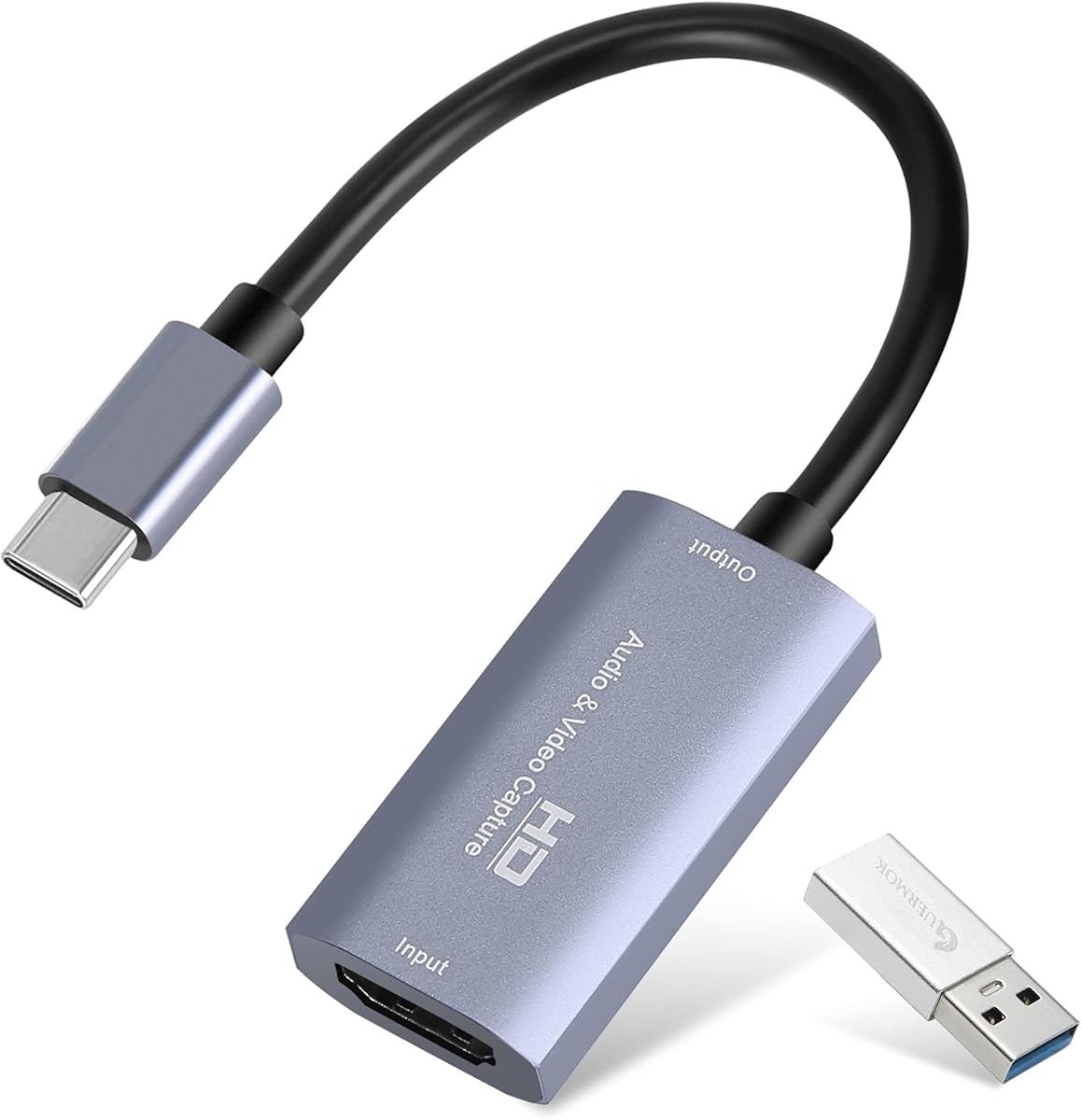
Guermok Video Capture Card
4.4Editor score
Affordable 1080p60 capture
Plug and play design
Supports multiple OS including Linux
Discover the best capture card for Linux options for streaming and recording. We compare top models for compatibility, video quality, and performance.
Finding a reliable capture card for Linux can be challenging due to driver support and hardware compatibility. Gamers and streamers need devices that work seamlessly with open-source software without requiring complex setup procedures or proprietary dependencies.
We evaluated ten top-rated capture cards based on their Linux compatibility, video resolution support, and ease of use. Our analysis focuses on plug-and-play functionality, latency performance, and integration with popular streaming applications like OBS and VLC.
Each pick highlights key strengths and potential limitations for Linux users specifically. While prices may fluctuate over time, these selections offer the best value and performance for content creators working within the Linux ecosystem today.
4.4Editor score

4.4Editor score

4.2Editor score
The following comparison table details the specifications and features of each capture card to help you choose the right model for your Linux setup.





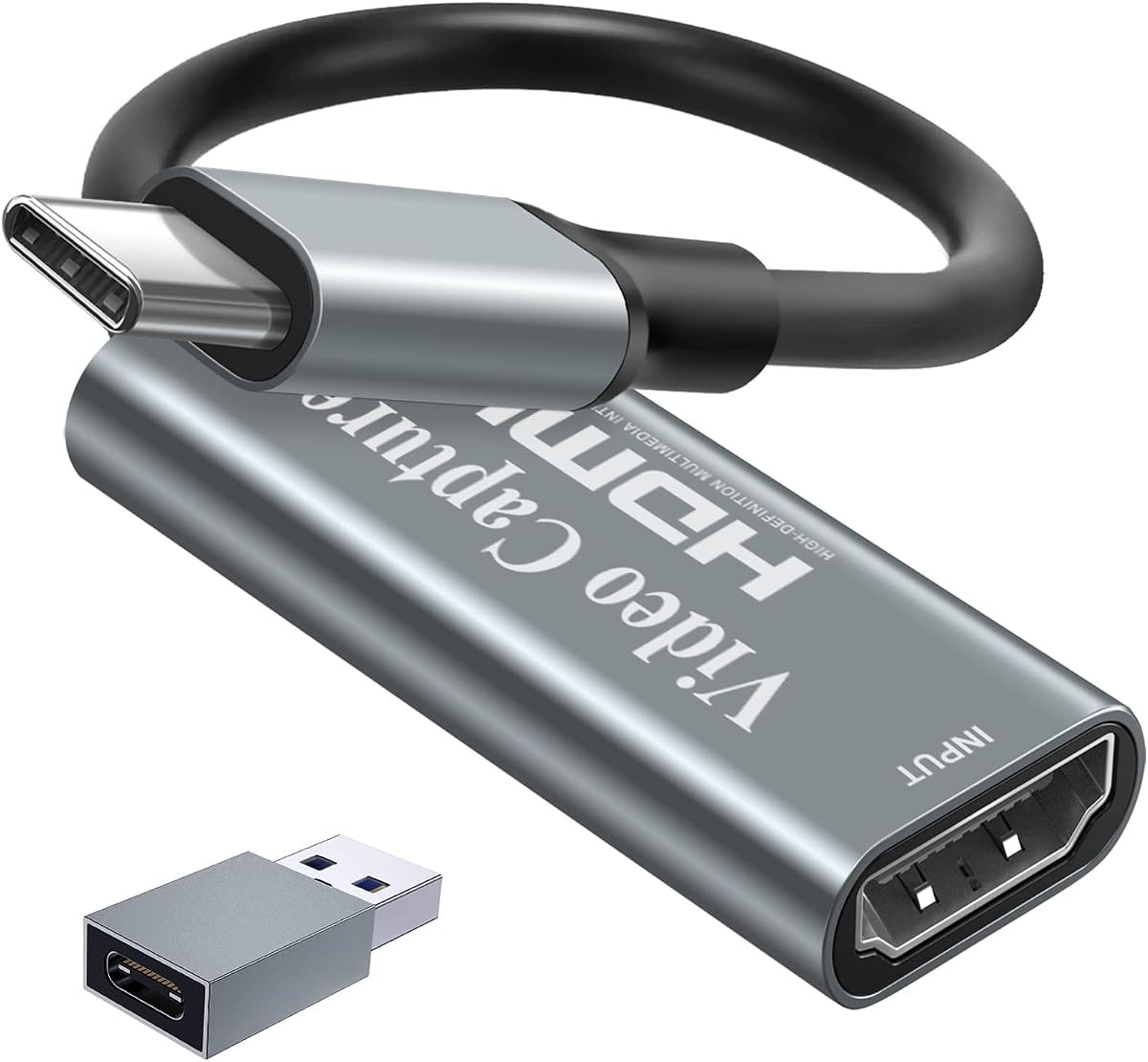
The acer USB 3.0 HDMI Capture Card offers a straightforward solution for Linux users seeking basic recording capabilities. It supports 4K input with 1080p60 output ensuring decent video quality for streaming and gaming sessions.
We may earn a commission when you buy through this link, at no additional cost to you.
Its standout quality is the included microphone input which allows for easy commentary without extra adapters. The plug and play functionality makes it accessible for users who want to start capturing immediately without complex configuration steps.
However the build feels lightweight and there is limited information on specific Linux driver versions. While it works with major software like OBS users may experience minor latency compared to higher-end models in competitive scenarios.
This card is ideal for hobbyist streamers on a budget who need a simple way to capture console or PC gameplay. It delivers consistent performance for casual use while keeping costs low for new content creators.
The low latency technology helps keep voice commentary synchronized with video feeds during live streams.
Its small and lightweight design makes it easy to carry for on-the-go recording needs.
We may earn a commission when you buy through this link, at no additional cost to you.
The UGREEN 4K@30Hz Loop Out HDMI Capture Card stands out for its explicit compatibility with Linux systems which is rare in this price range. It supports 4K input and 2K output providing sharp visuals for streaming and recording tasks.
We may earn a commission when you buy through this link, at no additional cost to you.
Key strengths include its dual USB-A and USB-C interfaces that offer flexibility for different device connections. The sturdy aluminum casing ensures effective heat dissipation which maintains stable performance during long streaming sessions on Linux machines.
Users should note that the output is limited to 2K 30fps which may not suit high frame rate needs. Additionally it does not support Fire TV Stick so console streamers must rely on dedicated gaming devices for optimal results.
This device is perfect for Linux users who need a reliable capture solution without sacrificing video clarity. Its balance of features and compatibility makes it the top choice for open-source enthusiasts and professional streamers alike.
The aluminum casing effectively dissipates heat to prevent thermal throttling during extended use.
Dual ports allow connection to older USB-A ports or modern USB-C setups effortlessly.
We may earn a commission when you buy through this link, at no additional cost to you.
The Guermok Video Capture Card provides an excellent entry point for Linux users needing reliable recording tools. It features 4K input capability with 1080p60 output ensuring smooth video capture for gaming and meetings without extra software.
We may earn a commission when you buy through this link, at no additional cost to you.
Its key strengths include ultra-low latency and a durable aluminum alloy build that aids heat dissipation. Users benefit from plug and play convenience which eliminates the need for complex driver installations on Linux distributions.
Trade-offs involve the lack of a dedicated microphone input and limited package contents. While sufficient for most use cases audio recording might require additional hardware for high-quality commentary during streams.
This card is ideal for budget-conscious creators who prioritize performance and portability. It delivers solid video quality and reliable Linux support making it a top value pick for new streamers.
High-speed USB 3.0 ensures fast data transfer and smooth real-time previews.
Minimal setup time allows users to focus on content creation rather than configuration.
We may earn a commission when you buy through this link, at no additional cost to you.
The Newhope USB 3.0 HDMI Capture Card offers a solid mix of features for Linux users at a competitive price. It delivers 1080p60 capture with 4K pass-through ensuring your display remains unaffected during recording sessions.
We may earn a commission when you buy through this link, at no additional cost to you.
Its strengths include a real-time loop-out port that allows gaming on external monitors without lag. The microphone input enables direct commentary integration which simplifies the setup for live streaming on Linux platforms.
Some users report mixed experiences with driver consistency and physical build quality. While it functions well with third-party software like OBS occasional connectivity checks may be needed for optimal performance.
This card is best for users who need a straightforward capture tool without breaking the bank. It balances essential features and compatibility effectively for casual gaming and online teaching applications.
HDMI loop-out ensures your game or video plays without delay on a secondary display.
Built-in mic-in accepts standard 3.5mm headsets for immediate voice capture.
We may earn a commission when you buy through this link, at no additional cost to you.
This capture card is engineered for content creators who demand crisp video quality for streaming. It supports 4K input with 1080p60 capture ensuring professional-looking footage for platforms like Twitch and YouTube.
We may earn a commission when you buy through this link, at no additional cost to you.
Its standout features include plug-and-play convenience and compatibility with popular streaming software. The low-latency performance ensures real-time feedback which is crucial for competitive gaming and live interactions.
While effective users may find documentation limited compared to branded alternatives. The compact design is a plus for portability but detailed technical specs are not always clearly highlighted in product descriptions.
It is suitable for creators who want reliable performance without complex setup. The balance of features makes it a versatile choice for both home studios and mobile setups on Linux systems.
Works seamlessly with OBS and Streamlabs for immediate live broadcasting capabilities.
Lightweight design allows easy transport for LAN parties and travel events.
We may earn a commission when you buy through this link, at no additional cost to you.
This UGREEN model offers excellent value with strong Linux compatibility and high data transfer speeds. It supports 4K input with 2K output providing flexibility for both high-quality capture and real-time preview on Linux.
We may earn a commission when you buy through this link, at no additional cost to you.
Its strengths include robust heat dissipation and a durable build that ensures stability during long sessions. The dual USB ports allow connection to modern laptops and desktops without adapters making it highly versatile.
Users should be aware that iPadOS compatibility requires version 17 or higher and signal flow is unidirectional. These constraints do not impact PC users but may limit usage with certain tablet configurations.
It is an ideal choice for Linux users seeking a balance of performance and durability. The high rating reflects its reliability for daily streaming and recording tasks across various devices.
Shielding against EMI and durable materials ensure stable signal transmission over time.
Both USB-A and USB-C ports support a wide range of modern computer hardware.
We may earn a commission when you buy through this link, at no additional cost to you.
This 4K HDMI Capture Card stands out with the highest user rating in our comparison. It offers 4K input and 1080p60 output ensuring clear visuals for gaming and video calls on Linux systems.
We may earn a commission when you buy through this link, at no additional cost to you.
Its strengths include comprehensive audio support with mic and headphone monitoring which simplifies recording setups. The plug and play design ensures instant recognition on Linux without the need for additional driver installations.
While performance is excellent the cable length may be shorter than expected for complex setups. Users should verify cable requirements before purchasing to ensure it fits their physical workspace.
It is a top pick for users who value reliability and customer support. The combination of high ratings and warranty coverage makes it a trustworthy investment for streamers.
Headphone and mic inputs allow synchronized audio capture and real-time feedback.
18-month warranty provides peace of mind for long-term content production needs.
We may earn a commission when you buy through this link, at no additional cost to you.
The AVerMedia StreamLine MINI+ delivers premium features like 4K60 HDR passthrough for high-end setups. It captures 1080p60 video with ultra-low latency ensuring smooth gameplay for competitive gaming on Linux and other platforms.
We may earn a commission when you buy through this link, at no additional cost to you.
Its strengths include a dedicated Streaming Center app that simplifies setup for beginners. The hardware supports high-end consoles and PCs making it versatile for various content creation workflows.
Linux compatibility may vary compared to open-source options so users should test with their specific distribution. The higher price reflects its premium features but casual users may find simpler alternatives sufficient.
It is best for professional streamers who need HDR support and console passthrough. The performance and software features justify the cost for serious content creators.
4K60 HDR passthrough ensures high dynamic range content looks vibrant on monitors.
Works seamlessly with PS5 and Xbox Series X for next-gen gaming streams.
We may earn a commission when you buy through this link, at no additional cost to you.
The Papeaso Video Capture Card offers a modern USB-C design at an attractive price point. It supports 4K input with 1080p60 output providing solid performance for basic streaming and recording needs.
We may earn a commission when you buy through this link, at no additional cost to you.
Its strengths include compatibility with major operating systems including Linux and ease of setup. The compact design makes it easy to carry for portable recording scenarios without sacrificing video quality.
Users may encounter generic packaging and limited technical support compared to branded models. While it performs well for casual use advanced features may be lacking for professional workflows.
It is suitable for users needing a quick and budget-friendly capture solution. The USB-C port makes it a good choice for modern laptops and tablets running Linux.
Small footprint allows easy storage in a travel bag for on-the-go use.
USB-C port aligns with current laptop standards for direct connection.
We may earn a commission when you buy through this link, at no additional cost to you.
This premium capture card is designed for serious creators who need top-tier performance on Linux. It supports 4K60 HDR and VRR passthrough ensuring stunning visuals for high-refresh gaming and professional broadcasts.
We may earn a commission when you buy through this link, at no additional cost to you.
Its strengths include 5.1 audio capture and ultrawide display support which are essential for immersive content. The robust build quality ensures reliability during extended use for streaming and production tasks.
The high price may be prohibitive for casual users but justifies the advanced features for professionals. Linux compatibility is supported though specific driver versions should be verified for optimal operation.
It is the best choice for users prioritizing quality and features over cost. The comprehensive support for modern standards makes it a future-proof investment for content creators.
5.1-channel audio capture delivers immersive sound quality for high-end productions.
Support for latest HDR and VRR standards ensures longevity as tech evolves.
We may earn a commission when you buy through this link, at no additional cost to you.
Selecting the right capture card for Linux involves considering compatibility, performance, and build quality. Here are the key factors to evaluate before making a purchase.
Ensure the capture card explicitly supports Linux distributions to avoid driver conflicts. Open-source UVC drivers often work well but proprietary support provides better stability.
Check vendor documentation for Linux-specific features or required kernel versions before buying.
Decide between 1080p60 and 4K30 based on your streaming platform needs. Higher resolutions offer quality but may tax your system resources.
Prioritize capture rates that match your game or video source for smooth playback.
Look for USB 3.0 support to ensure sufficient bandwidth for high-resolution capture. USB-C ports are convenient for modern laptops and tablets.
Verify port availability on your host device to avoid adapter needs.
Built-in microphone inputs simplify recording commentary without extra adapters. This feature is vital for live streaming and tutorials.
Check if audio passes through cleanly or requires separate routing.
Aluminum casings provide better heat dissipation which is crucial for long streaming sessions. Heat can cause throttling leading to dropped frames.
Choose devices with robust construction to ensure durability over time.
Cards that work out of the box reduce setup time and frustration on Linux. Driver-free operation ensures immediate use with OBS or VLC.
Avoid units requiring complex manual installations unless necessary for performance.
Low latency is essential for real-time streaming and interactive gaming. High latency can cause audio video sync issues and laggy gameplay.
Look for specifications highlighting ultra-low latency or real-time preview capabilities.
Reliable warranty options protect your investment against defects or failures. Responsive customer support can resolve compatibility issues quickly.
Review return policies to ensure you can exchange if Linux compatibility fails.
Connect the capture card to your Linux machine via USB 3.0 or USB-C ports for optimal bandwidth. Ensure your HDMI source is active and connected securely to the input port.
Install or launch your preferred capture software such as OBS or VLC. Verify the device appears in the video input settings without requiring extra drivers.
Keep the device cool by avoiding enclosed spaces during long sessions. Periodically check for firmware updates that may improve Linux compatibility and stability.
Many modern capture cards work natively on Linux through UVC drivers built into the kernel. However specific models may require additional configuration for optimal audio or high-resolution support.
Open-source tools like OBS Studio and VLC are the best options for Linux capture. They integrate seamlessly with most USB capture devices and offer extensive customization.
USB 3.0 provides necessary bandwidth for high-resolution capture like 1080p60. Using USB 2.0 may result in reduced quality or dropped frames during streaming.
Yes most listed cards support PS5 provided HDCP is disabled on the console. Ensure the card supports 4K input and you use compatible HDMI cables.
A microphone input is useful for direct commentary but not strictly necessary. You can use separate audio interfaces if you prefer higher quality sound setups.
Loop-out sends the video signal to a monitor without lag while capturing. This allows real-time viewing of gameplay which is vital for competitive gaming streaming.
Check product specifications for explicit Linux support and UVC compliance. Reading recent user reviews from Linux users also helps confirm real-world performance.
Overheating can cause latency spikes or dropped frames during long sessions. Choose models with aluminum bodies and ensure good airflow around the device.
The top picks for Linux capture cards balance compatibility performance and value effectively. UGREEN and Guermok models offer strong budget options while AVerMedia provides premium features for advanced users.
Prioritize explicit Linux support and USB 3.0 connectivity to ensure smooth operation with your workflow. Selecting the right resolution and audio features depends on your specific streaming needs.
Always verify current pricing and availability as these values can change over time. Regularly check for software updates that may enhance compatibility on your Linux distribution.