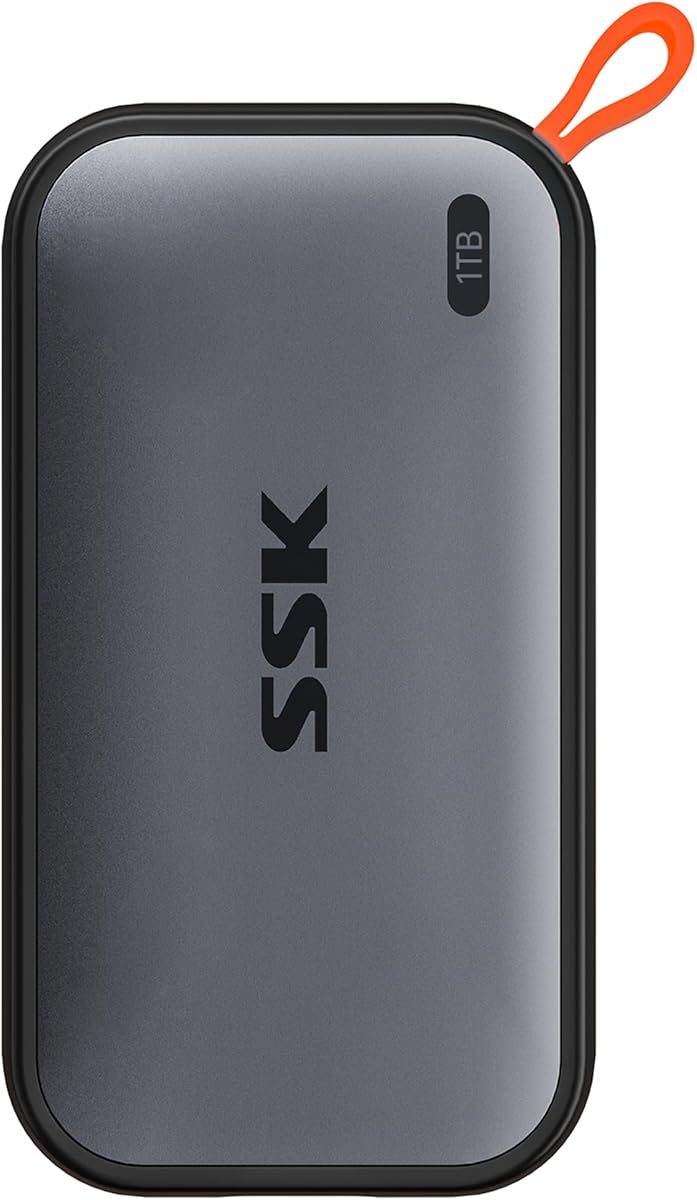
SSK Portable SSD 1TB
4.5Editor score
1050MB/s read speeds
Lightweight 36.6g design
SLC caching for steady transfers
This guide compares the top external SSD for virtual machines based on speed, capacity, durability, and compatibility to help you choose the perfect storage
Running virtual machines requires fast storage to prevent lag and ensure smooth performance. External SSDs offer the portability and speed needed to host VMs anywhere without compromising on reliability or efficiency for professionals.
We evaluated ten top-rated models based on read and write speeds, interface compatibility, ruggedness, and overall value. Each product was analyzed for its ability to handle heavy workloads, maintain consistent performance under heat, and integrate seamlessly with various host systems.
Each pick highlights key strengths, ideal use cases, and any limitations you should consider before buying. Prices and availability change frequently, so verify current details on the product page before finalizing your purchase decision today.
4.5Editor score
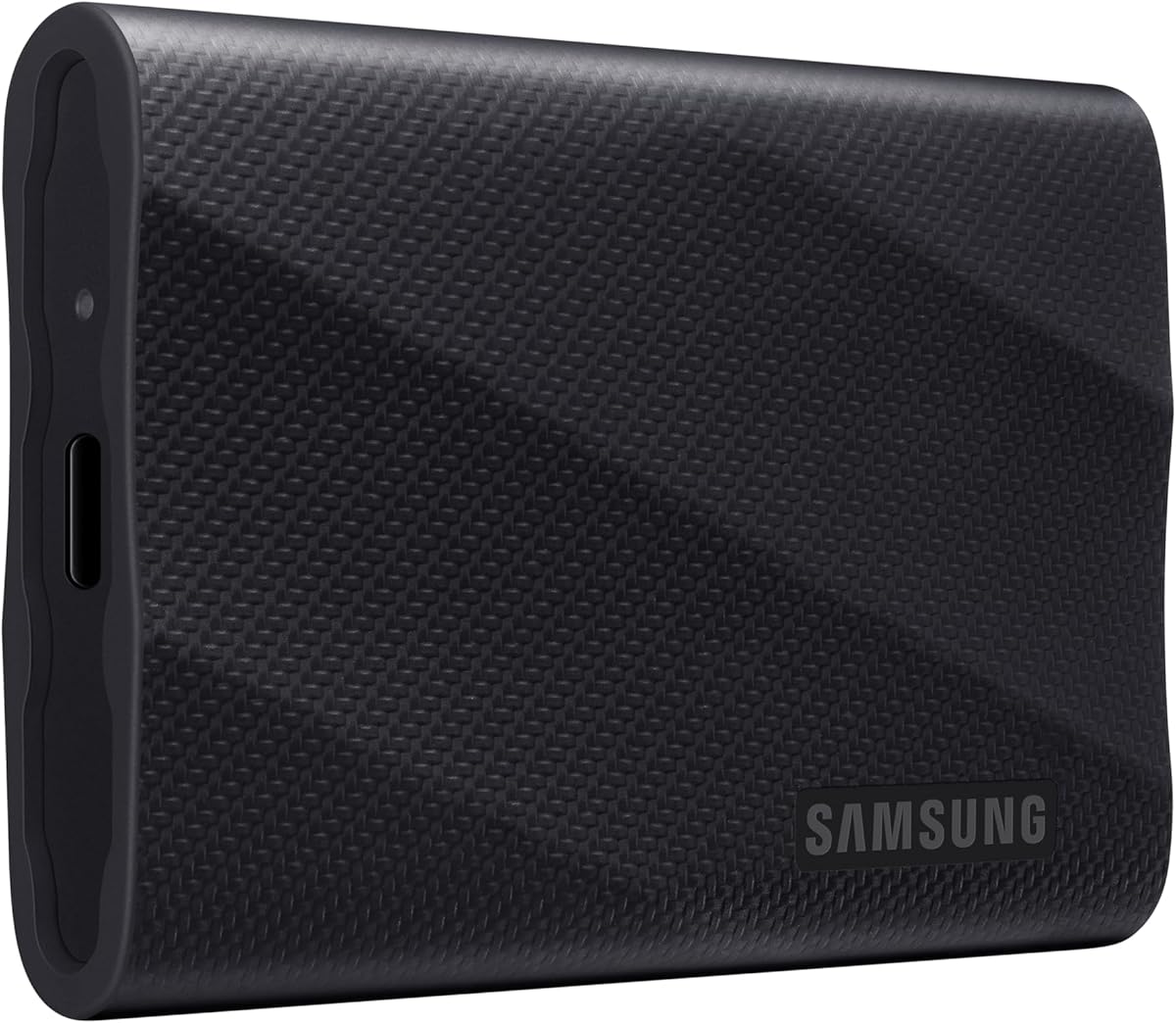
4.6Editor score

4.7Editor score
The following table provides a side-by-side comparison of all ten selected external SSDs. It highlights key specifications such as interface type, maximum read speeds, durability ratings, and storage capacity to help you quickly identify the model that best fits your virtual machine hosting needs.


The Samsung T9 Portable SSD stands out as the top choice for hosting virtual machines due to its exceptional speed and thermal management. It delivers sustained read and write speeds up to 2000MB/s, ensuring that VM boot times and context switching remain fast and responsive even during intensive tasks.
We may earn a commission when you buy through this link, at no additional cost to you.
This drive uses Dynamic Thermal Guard technology to maintain optimal operating temperatures during long sessions. This is critical for virtualization workloads that sustain high CPU and disk I/O over extended periods. The advanced solution prevents throttling, keeping performance consistent without the need for external cooling solutions.
While it is priced higher than standard USB 3.2 drives, the performance gain justifies the cost for power users. The need for a USB 3.2 Gen 2×2 port means it may not reach full speed on older laptops, but it remains backward compatible. The slight heat generation during peak loads is managed well but worth noting.
If you run complex virtual environments or require rapid file transfers, this is the model to buy. It balances raw performance with portability better than any other drive on this list. We recommend it for professionals who prioritize speed and reliability over initial cost savings.
The drive maintains its rated speeds even during longer processes thanks to its thermal design. This ensures your virtual machines do not slow down during heavy operations like compilation or large data migration.
Samsung produces its own firmware and components including DRAM and NAND. This vertical integration ensures higher quality control and consistent performance for critical workloads that rely on stable storage access.
We may earn a commission when you buy through this link, at no additional cost to you.
The Samsung T7 offers a balanced combination of speed, durability, and price that makes it ideal for general virtual machine usage. Its read and write speeds up to 1050MB/s provide a smooth experience for most VM tasks without the cost premium of higher-end models.
We may earn a commission when you buy through this link, at no additional cost to you.
Its compact design and aluminum unibody construction help dissipate heat effectively during use. The drive is built to withstand drops up to six feet which adds peace of mind for mobile users. This reliability ensures your virtual environments stay accessible even when moving between work locations.
While it does not reach the speeds of the T9, it performs reliably for typical development or testing VMs. The only trade-off is slightly slower file transfers compared to faster interfaces. However, for most users this difference is negligible during daily work.
We recommend this drive for anyone needing a trustworthy external storage solution for VMs. It works well with PCs, Macs, and mobile devices. Its consistent performance and robust build make it a safe choice for daily virtualization tasks.
The T7 works seamlessly with a wide range of hosts including PCs, Macs, and mobile phones. This versatility ensures you can boot VMs across different systems without driver issues.
Built with drop resistance and shock protection the T7 handles physical stress well. This is essential for users who carry their storage in backpacks during commutes or business trips.
We may earn a commission when you buy through this link, at no additional cost to you.
The SSK Portable SSD delivers excellent value for users seeking affordable virtual machine storage without sacrificing core performance. It matches the speeds of premium drives at a fraction of the cost making it accessible for students or those on a budget.
We may earn a commission when you buy through this link, at no additional cost to you.
It features SLC caching which allocates a portion of capacity for high-speed writes. This ensures steady performance even during large file transfers. The aluminum case helps dissipate heat efficiently keeping the drive cool during intensive operations like VM snapshots.
While it lacks the brand prestige of Samsung or SanDisk its performance is reliable for most tasks. The lightweight design makes it easy to carry but the casing feels less robust than higher-end models. However, for stationary home use this does not matter much.
We recommend this drive for anyone prioritizing cost efficiency over luxury features. It handles VM boot and runtime efficiently. If you need a reliable drive that does not break the bank this is a strong candidate for your virtualization setup.
The SLC caching mechanism prevents speed drops during large data writes. This means your VMs perform consistently even when moving large disk images or installing software.
The thin aluminum case actively dissipates heat to prevent overheating. This keeps the drive safe for continuous use without needing extra cooling fans or enclosures.
We may earn a commission when you buy through this link, at no additional cost to you.
The SanDisk Extreme Portable SSD is designed for users who need reliable VM storage in tough environments. Its IP65 rating ensures protection against water and dust making it ideal for fieldwork. VM 2TB capacity allows you to store multiple large virtual machines on one drive.
We may earn a commission when you buy through this link, at no additional cost to you.
It offers hardware encryption with 256-bit AES to keep your VM data secure. The included Memory Zone app helps manage files efficiently freeing up space for new projects. This software support adds value beyond just raw storage capability.
While its speed matches standard USB 3.2 drives the durability sets it apart. It can withstand drops up to three meters so it survives accidental falls. Some users may need to update firmware for optimal performance which is a minor initial setup step.
We recommend this drive for IT professionals working on-site or in industrial settings. The ruggedness ensures your virtual environments survive rough handling. If durability is as important as speed this model is a top choice for your needs.
IP65 rating means dust and water cannot enter the device. This protects your data from spills or dusty environments where standard drives might fail.
Hardware encryption keeps your VM data private without software overhead. This is critical for sensitive client environments stored on portable drives.
We may earn a commission when you buy through this link, at no additional cost to you.
The Crucial X10 delivers high-speed performance tailored for creators and gamers who also run VMs. Its read speeds up to 2100MB/s are significantly faster than standard drives allowing for near-instant VM boots and rapid data access.
We may earn a commission when you buy through this link, at no additional cost to you.
It features an IP65 rating and can survive drops up to 9.8 feet. This ruggedness ensures reliability during transport. The matte blue design is sleek and compact fitting easily into pockets. It connects via USB-C for fast file transfers to modern systems.
The drive includes three months of Mylio Photos Plus and Acronis True Image which aids in backup workflows. While the price is higher than standard SSDs the performance and software bundle add value. The only drawback is the specific color option available.
We recommend this drive for users needing fast access to multiple VMs on the go. Its durability and speed make it suitable for high-demand workflows. If you need reliability and raw speed this is a strong contender for your setup.
2100MB/s read speeds exceed most competitors in this price range. This accelerates loading times for large virtual disk files and system images.
Included software helps manage and backup your VM files efficiently. This reduces the need for separate subscriptions and streamlines your workflow.
We may earn a commission when you buy through this link, at no additional cost to you.
The Samsung T7 Shield combines massive capacity with extreme durability making it perfect for hosting multiple VMs. It offers 2TB of storage allowing you to keep various environments ready for use. The rugged design ensures these critical assets stay safe during transport.
We may earn a commission when you buy through this link, at no additional cost to you.
With an IP65 rating and drop resistance up to 9.8 feet it withstands harsh conditions better than most drives. Its thermal solution keeps the drive cool during heavy usage. The aluminum body adds weight but ensures stability and heat dissipation for sustained performance.
This drive is slightly heavier than standard models which may matter for lightweight travelers. However, the 2TB capacity means you need fewer drives for large VM sets. The price reflects this extra capacity but provides significant value for power users.
We recommend this drive for users with extensive VM libraries who need reliability. It is ideal for field engineers or remote workers carrying large datasets. The balance of capacity and ruggedness makes it a top choice for demanding environments.
2TB allows storage of dozens of virtual machine images. This reduces the need to swap drives constantly for large projects or backups.
Extra protective layers make it ideal for rough environments. You can carry it in a backpack without worrying about accidental bumps or moisture.
We may earn a commission when you buy through this link, at no additional cost to you.
The Corsair EX400U offers unparalleled speed with its USB4 interface supporting up to 40Gbps. This allows for read speeds reaching 4000MB/s which is near internal drive performance. For users with compatible laptops this enables instant boot times for heavy virtual machines.
We may earn a commission when you buy through this link, at no additional cost to you.
Its rugged IP55 housing protects against dust and water ensuring reliability. The plug and play design means no drivers are needed for quick setup. It handles massive video files and game libraries easily making it versatile for various use cases.
You need a USB4 or Thunderbolt 4 port to get full speeds. On standard USB-C ports it will work but slower. This limits compatibility with older machines. The high price point also makes it a luxury option for most general users.
We recommend this drive for professionals with modern hardware needing maximum throughput. It is ideal for running VMs with heavy graphics workloads. If your system supports USB4 this drive will deliver unmatched performance.
4000MB/s read speeds rival internal NVMe SSDs. This eliminates bottlenecks when running multiple heavy virtual machines simultaneously.
IP55 rating ensures the drive survives dust and water. This durability makes it safe for mobile use in diverse environments.
We may earn a commission when you buy through this link, at no additional cost to you.
The Lexar ES3 balances style and utility making it a great choice for everyday VM storage. It offers a solid 1050MB/s read speed which handles standard VMs well. The 2TB capacity provides ample space for multiple virtual environments and backups.
We may earn a commission when you buy through this link, at no additional cost to you.
Built-in double layer graphite sheets help conduct heat away from internal components. This cooling design ensures the drive stays cool during transfers preventing slowdowns. It drops resistant up to 2 meters offering basic protection for daily use.
While it does not match the fastest drives it is reliable enough for office and home work. The simple plug and play design means setup is instant. The price is competitive though you must use the correct cables for optimal performance.
We recommend this drive for users needing a compact reliable option. It works well for students and home office workers. If you prefer a sleek device that does not overheat this model fits your needs perfectly.
Double layer graphite sheets keep the drive cool. This prevents overheating during long file transfers or VM migrations.
Compact design makes it easy to carry in a pocket. This is ideal for users who want minimal bulk in their bag.
We may earn a commission when you buy through this link, at no additional cost to you.
The SanDisk PRO-G40 offers massive storage with 4TB capacity designed for professionals. It supports Thunderbolt 3 speeds up to 3000MB/s allowing rapid access to large VMs. This makes it ideal for environments needing heavy storage and fast data retrieval.
We may earn a commission when you buy through this link, at no additional cost to you.
Its IP68 rating provides complete dust and water protection. The crush resistance ensures it survives extreme physical stress. It is formatted for Mac but works with Windows with reformatting. This dual-mode compatibility adds flexibility for mixed OS environments.
While it is expensive the capacity and durability justify it for pros. Some users may find the software tools basic compared to competitors. The weight is noticeable due to the metal core but helps keep the drive cool during transfers.
We recommend this drive for users who need maximum capacity and speed. It is perfect for video editors running VMs on the go. If your budget allows this drive provides professional-grade reliability and storage.
IP68 rating means full waterproof protection. This ensures data safety even in wet conditions where standard drives would fail.
4TB allows hundreds of VM images on one drive. This eliminates the need for multiple disks for large scale testing or production.
We may earn a commission when you buy through this link, at no additional cost to you.
The SABRENT Rocket Nano XTRM is a compact powerhouse delivering fast speeds in a small package. With Thunderbolt 3 speeds up to 2700MB/s it provides rapid access for VMs. The aluminum body helps dissipate heat efficiently during sustained transfers.
We may earn a commission when you buy through this link, at no additional cost to you.
It is bus-powered so no external power adapter is needed. This makes it truly portable for travel. Both Thunderbolt and USB-C cables are included ensuring you have what you need. The compact size fits easily in pockets without bulk.
While it works with Linux and Windows you need the right ports for full speed. The price is higher than USB drives but justified by the performance. Some users may worry about durability without a rubberized coating but the silicone sleeve helps.
We recommend this drive for professionals needing speed and portability. It is ideal for Mac users with Thunderbolt ports. If you want fast access in a small package this model meets your needs effectively.
Shirt-pocket sized design ensures easy transport. You can carry this drive anywhere without adding bulk to your bag.
Includes both Thunderbolt and USB-C cables. This means you can connect to any compatible device right out of the box.
We may earn a commission when you buy through this link, at no additional cost to you.
Selecting the right external SSD for virtual machines requires balancing speed capacity and durability. This guide outlines the critical factors to ensure you get a drive that performs well under heavy virtualization loads.
The interface type of your drive is the most critical factor for VM performance. Look for USB 3.2 Gen 2 or Thunderbolt 3 interfaces which offer speeds of 1000MB/s or higher. Fast read speeds are essential for quick boot times and lag free switching between virtual environments.
Ensure your host computer supports the chosen interface. A fast drive connected to an older USB port will perform poorly. Prioritize drives that match your system's highest available port speed for best results.
Virtual machines often require large disk files ranging from 60GB to hundreds of GB each. If you run multiple VMs, a 1TB drive will fill up quickly. Consider a 2TB or higher capacity model to store your working environments and backups without constant cleanup.
It is better to have more space than you think you need. Extra capacity ensures you can add new VMs as your projects grow without buying another drive immediately.
If you move your drive between locations, ruggedness is key. Look for IP ratings like IP65 or IP68 which protect against dust and water. Drop resistance ratings ensure the drive survives accidental falls during transit.
A durable drive protects your critical VM data from physical damage. This is vital for field technicians or travelers who cannot afford hardware failures.
High speeds generate heat which can lead to throttling during long VM sessions. Drives with aluminum bodies or active cooling designs stay cooler and maintain performance. Avoid cheap plastic drives that trap heat.
A well-cooled drive ensures consistent read and write speeds. This prevents slowdowns during heavy compilation or data processing tasks.
Ensure the drive works with your operating system. Some drives come Mac formatted with APFS but can be reformatted for Windows. Verify compatibility before purchase to avoid extra setup steps.
Broad compatibility ensures you can access your VMs across different devices. This flexibility is crucial for collaborative work environments.
Virtual machines often contain sensitive business data. Drives with hardware encryption keep this data safe even if the device is lost. Look for 256-bit AES encryption for best security.
Security features prevent unauthorized access to your VMs. This adds a necessary layer of protection for professional environments.
Check if the drive includes the cables you need. Some only include USB-C while you might need USB-A. A drive that includes both saves you from buying extra accessories.
Having the right cables ensures you can connect to any device quickly. This saves time and reduces clutter in your workspace.
A good warranty protects your investment against early failures. Look for at least a 3-year warranty and responsive support. Reliable brands offer better long term peace of mind.
Support availability matters if you face technical issues. This ensures minimal downtime for your work.
When setting up your external SSD for virtual machines, format the drive to a file system compatible with your OS such as NTFS for Windows or APFS for Mac. Ensure your virtual machine software recognizes the drive as a valid storage location before loading any VM images onto it.
Always use the provided high-speed cable to connect the drive to a compatible port. Avoid connecting through hubs or extension cables which may reduce speed. Securely eject the drive before unplugging it to prevent data corruption during active use.
To maintain performance, keep the drive in a cool dry place and avoid exposing it to extreme temperatures. Periodically check for firmware updates from the manufacturer to ensure optimal speed and bug fixes. Regular backups of your VM data are essential to prevent data loss.
Yes, most virtual machine software like VirtualBox and VMware allows you to run VMs directly from an external SSD. The drive must be fast enough to support the VM's disk I/O requirements. Using a USB 3.2 or Thunderbolt SSD ensures smooth performance.
For general virtualization tasks a read speed of at least 500MB/s is recommended. However, for complex environments or large VMs aim for 1000MB/s or higher. Faster speeds reduce boot times and prevent lag during active work.
Many modern external SSDs feature shock resistance and water protection making them suitable for travel. Look for IP ratings and drop resistance specifications. However, always store them in a protective case to prevent physical damage.
Most portable external SSDs are bus-powered meaning they draw power from your computer's USB port. You do not need an extra power adapter. This makes them more portable and easier to use on the go.
Yes, faster drives improve VM boot times and context switching. A drive with 2000MB/s speeds will feel noticeably faster than one with 500MB/s. However, the CPU and RAM of your host also impact overall VM performance.
Yes but you may need to reformat the drive to a compatible file system like exFAT. This allows both OS to read and write to the drive. Ensure your VM software supports the chosen file system.
Choosing the right external SSD for virtual machines depends on your specific needs and budget. The Samsung T9 stands out for top performance while the SSK offers excellent budget value. For ruggedness and capacity the SanDisk PRO-G40 provides professional-grade reliability.
Prioritize speed and capacity when making your final decision. A fast drive ensures your virtual environments run smoothly without bottlenecks. Ensure the model you choose offers enough storage for your current and future VM needs.
Prices for external SSDs fluctuate frequently based on market availability. Always check the current price on the product page before buying. Verify compatibility with your host system to ensure a seamless virtualization experience.